
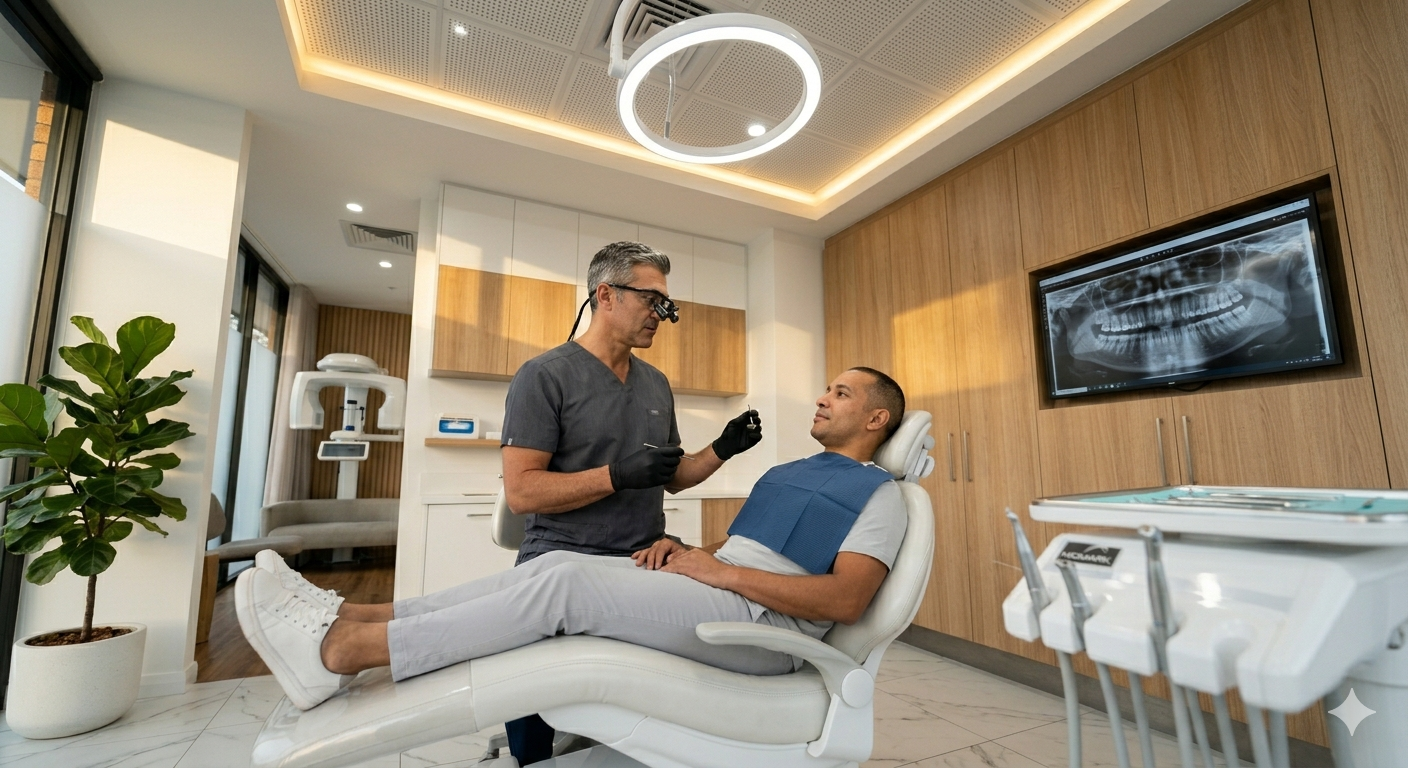
Dental implants in Louisville, KY, typically cost between $3,000 and $5,000 per implant. This price usually includes the implant, abutment, and crown but can vary based on the patient’s needs and the dental provider’s fees. Many factors, like bone health or additional procedures, may affect the total cost.
Patients often worry about affordability, but modern dental offices in Louisville offer flexible payment options and financing plans. Knowing what to expect can help reduce stress and make the process feel more manageable.
Understanding the cost upfront empowers patients to make informed choices about their oral health. If you’re considering dental implants, it’s a good idea to consult a local expert to get a personalized estimate and learn about the best treatment options.
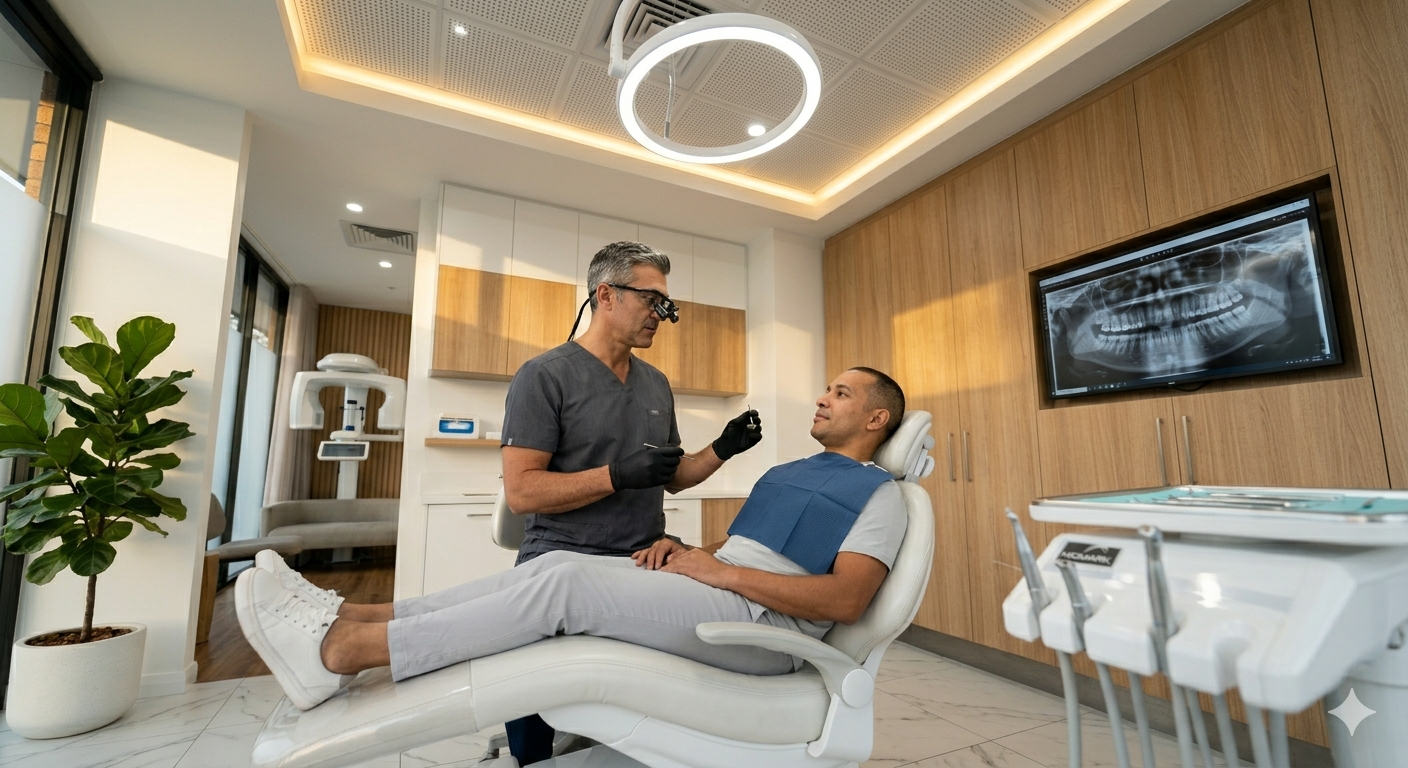
Dental implants are a reliable way to replace missing teeth and restore smiles. They involve a few key components, different types to suit patient needs, and specific criteria to determine who can benefit most from this treatment.
Dental implants are small titanium posts surgically placed into the jawbone to serve as artificial tooth roots. Once healed, they provide a strong foundation for crowns, bridges, or dentures. This helps patients chew comfortably and maintain natural jawbone structure.
The implant fuses with the bone over several months in a process called osseointegration. This creates a stable base that feels and functions like a natural tooth root. Implants can support single teeth or multiple teeth replacements depending on the patient’s needs.
There are mainly two types of dental implants: endosteal and subperiosteal. Endosteal implants are the most common. These go directly into the jawbone and look like small screws or cylinders.
Subperiosteal implants fit on top of the jawbone but beneath the gum line. These might be an option for people with insufficient bone height who cannot undergo bone grafting.
Implants also vary by the restoration they support: single crowns, implant-supported bridges, or full-arch dentures. The choice depends on the number of missing teeth and oral health conditions.
Candidates for dental implants should have good overall health and healthy gums free from severe disease. Adequate bone density in the jaw is important, but bone grafting can sometimes help those with bone loss.
Non-smokers or those willing to quit before and after surgery tend to have better healing outcomes. People with uncontrolled diabetes or certain chronic conditions may need extra evaluation.
A thorough examination by a dental professional determines candidacy, ensuring implants are safe and likely to succeed for each individual.
Several elements influence the cost of dental implants in Louisville, KY. These include what the implant is made of, how many implants a patient needs, and how complex the entire procedure will be.
The type of material used for the implant plays a significant role in pricing. Titanium implants are the standard and tend to be more affordable due to their durability and high success rate.
Ceramic or zirconia implants are an alternative, offering a metal-free option with a natural tooth color. These materials often come at a higher price because of their cosmetic benefits and the more specialized manufacturing process.
Patients should discuss material options with their dentist to balance cost, aesthetics, and biocompatibility according to their needs.
The total number of implants required directly impacts the overall cost. Each implant involves manufacturing, surgery, and follow-ups, so a single implant will cost less than multiple implants or full-mouth restorations.
Sometimes, multiple teeth can be supported by fewer implants, such as with implant-supported bridges. This approach may lower costs but requires thorough assessment to ensure stability and function.
Patients replacing several teeth should get a clear breakdown from their dentist on how many implants are recommended for the best outcome and budget.
Some dental implant cases are straightforward, while others need additional work like bone grafts or sinus lifts. These extra procedures increase the cost because they involve more time and specialized care.
Patients with sufficient jawbone density usually face fewer complications, which keeps costs lower. Those with bone loss will require preparation before implant placement, raising the price.
Complex cases might also require advanced imaging and sedation, adding to the expense but improving comfort and precision.
Dental implant costs in Louisville vary based on several factors, including the materials used, the procedure’s complexity, and the clinic chosen. Patients can expect a range of prices that reflect everything from consultation to the final restoration.
In Louisville, a single dental implant typically costs between $3,000 and $5,000. This price includes placing the titanium post in the jawbone but may not cover additional treatments like bone grafts.
Multiple implants or full-arch restorations naturally cost more, often ranging from $7,000 to $30,000 depending on how many teeth are replaced.
The variation comes from the implant brand, type of crown used, and patient-specific needs such as extractions or tissue repairs.
The price usually covers several stages: the initial exam, imaging (X-rays or CT scans), surgery to place the implant post, and the abutment that connects to the crown.
The dental crown itself, often made from porcelain or zirconia, can be a separate charge. Some clinics bundle all steps, while others bill them separately.
Additional procedures like bone grafts or sinus lifts add to the total due to their complexity and labor intensity.
Louisville has a range of dental providers offering implants, from large dental centers to smaller private practices. Larger clinics may offer package pricing or financing options.
Private practices often emphasize personalized care with direct contact to the implant surgeon, which can affect pricing but benefit patient comfort.
It’s wise to compare costs alongside what each clinic includes—some may offer warranties on implants or follow-up care, adding value beyond the sticker price.
Paying for dental implants in Louisville, KY, can seem overwhelming, but there are practical ways to manage costs. Many patients explore insurance benefits, flexible payment plans, and specialized financing programs to find the best fit for their budget.
Dental insurance often covers parts of implant treatment but rarely the entire procedure. Most plans will cover the crown or restoration placed on the implant, but the implant post itself may be excluded or covered only under major dental work.
Patients should review their policies carefully and ask their dentist to submit a pre-estimate to the insurance company. This helps clarify what portion will be covered and what will be out-of-pocket. Sometimes, insurance benefits reset annually, so timing the procedure to maximize coverage can reduce costs.
Many Louisville dental offices offer flexible payment plans to spread the cost of implants over time. These plans typically have low or no interest and allow monthly payments tailored to the patient’s financial situation.
This option makes treatment more accessible without waiting and often requires little upfront money. Patients can ask their dental office if they accept in-house financing or work with third-party services that specialize in healthcare payments. Getting clear terms in writing helps avoid surprises.
Healthcare financing programs, like CareCredit or LendingClub Patient Solutions, provide loans specifically for medical and dental expenses. These loans often offer promotional periods with no interest if paid within a set time.
Applicants undergo a credit check, but approval can be quick. These programs give patients immediate access to dental implants while managing costs over several months or years. Comparing interest rates and repayment terms is key to choosing the best option.
Investing in dental implants often means thinking beyond the initial cost. Implants offer durable solutions that can improve life quality and reduce future dental expenses.
Dental implants are known for their strength and longevity. Unlike bridges or dentures, implants are anchored directly into the jawbone, providing stability similar to natural teeth. With proper care, they can last 20 years or more, often a lifetime.
Bridges and dentures typically need replacement every 5 to 10 years, which can add up in costs and inconvenience. Implants reduce these repeat expenses, making them cost-effective over time. Plus, implants don’t rely on adjacent teeth for support, preserving natural tooth structure.
Implants restore chewing ability and speech better than many alternatives. Patients report feeling more confident because implants don’t slip or cause discomfort like dentures sometimes do. This stability helps maintain proper nutrition by allowing a wider variety of foods.
Cleaning implants is similar to caring for natural teeth—brush and floss daily. They don’t require special adhesives or soaking solutions like dentures, simplifying daily routines. This ease makes implants attractive for long-term oral health maintenance.
One key savings from implants comes from preventing bone loss. Because implants stimulate the jawbone, they help maintain facial structure and prevent shrinkage common with missing teeth. This reduces the need for bone grafts or additional corrective treatments later.
Also, implants limit the risk of shifting teeth, which can cause alignment problems and increase decay risk. By preserving the natural spacing and health of teeth, implants help avoid costly orthodontic or restorative work in the future.
During the initial consultation, the dentist will begin by discussing your dental history and any concerns you might have. This helps them understand your unique situation and what you’re hoping to achieve with implants.
Next, a thorough examination of your mouth is done, often including X-rays or 3D scans. These images allow the dentist to assess bone density and the exact placement needed for implants.
Patients can expect a clear explanation of the treatment plan. This usually covers the number of implants, the process involved, and how long it will take. The dentist will also explain any preparatory steps, like bone grafting if necessary.
Cost is an important topic during this visit. The dentist or coordinator will provide a detailed breakdown of expenses, including the implant itself, surgery fees, and any follow-up care. They often discuss insurance coverage and financing options to make the process more manageable.
Comfort is a priority. The consultation is also a chance for patients to ask about pain management and aftercare, so they feel confident and supported throughout the treatment.
Here is a simple checklist of what happens in a typical consultation:
This initial meeting sets the stage for a comfortable experience and helps patients feel informed and ready to move forward.
Finding the right implant specialist in Louisville, KY, is key to a smooth and successful dental implant experience. Specialists with advanced training, such as oral surgeons or periodontists, often have the skills to handle complex cases confidently. It’s important for patients to seek someone who makes them feel comfortable and answers their questions clearly.
Patients should consider several factors when choosing a specialist:
Louisville offers various options, so scheduling a consultation can help patients get a feel for the office environment and meet the team. Many specialists provide personalized plans to fit both health needs and budgets.
Checking reviews and asking for before-and-after photos can give extra peace of mind. Remember, good communication and trust are just as important as technical skill when selecting someone to handle implants. This choice plays a big role in achieving lasting results that feel natural.
Before starting dental implant treatment, the dentist will conduct a thorough examination. This includes X-rays or 3D scans to check bone density and the health of surrounding teeth. These imaging tests help tailor the plan to each patient’s unique needs.
Patients should share their full medical history, including any medications or health conditions. This information helps the dentist identify any potential risks or special considerations during surgery. Good communication ensures a safer and smoother implant process.
Maintaining good oral hygiene is important before the procedure. Brushing, flossing, and regular cleanings reduce infection risk. Sometimes, dentists recommend treating existing dental issues like gum disease first to create a stable foundation for implants.
On the day of surgery, patients are advised to wear comfortable clothing and arrange for someone to drive them home. Numbing and sedation options help keep discomfort minimal. The dentist will explain what to expect and how to care for the implant site afterward.
Here’s a quick checklist for implant preparation:
Taking these steps sets the stage for a successful implant outcome. Patients who prepare well often feel more confident and comfortable throughout their journey. It’s always okay to ask questions or express concerns before moving forward.
Choosing dental implants is a big step toward restoring both function and confidence. For many, it means enjoying meals without discomfort and smiling without hesitation.
Patients in Louisville, KY, often wonder about the process and what to expect. Dental professionals make sure each step is clear and comfortable, from the initial consultation to the final placement of the implant.
Here’s what patients can keep in mind:
Cost is a common concern, but many clinics offer flexible payment options and financing. Knowing all the details creates less worry and more confidence in moving forward.
If someone is considering implants, scheduling a consultation is a great way to get personalized answers. It’s an opportunity to ask questions and explore what modern dental care can offer for a brighter, healthier smile.
Dental implant costs in Louisville, KY, vary depending on several specific treatment elements and individual patient needs. Understanding what affects the price and financing options can help patients plan confidently and avoid unexpected fees.
A single-tooth implant in Kentucky usually ranges from $3,000 to $5,000. This price often includes the implant post, abutment, and a custom-made crown.
Additional fees may cover exams, X-rays, and follow-up visits but vary by dental office.
Costs increase if bone grafting or a sinus lift is needed to prepare the jawbone. The material of the crown—porcelain, zirconia, or metal—also affects price.
Complex cases requiring extra imaging or specialized care will add to the total expense.
Low-price specials might not include essential components like the crown or surgical fees. It’s important to ask exactly what the quoted price covers.
Patients should clarify if consultation, imaging, and aftercare are part of the deal to avoid surprises.
All-on-4 implants typically cost between $20,000 and $30,000 per arch. Traditional implant dentures may be less upfront but often require more maintenance and adjustments.
All-on-4 offers a fixed, stable solution, which can be worth the higher price for many patients.
Many clinics offer financing through third-party lenders or in-house payment plans to spread costs over time. Some also partner with credit companies specializing in medical procedures.
Patients are encouraged to inquire about interest rates and monthly payments before committing.
Implants can improve bite alignment and chewing by replacing missing teeth securely. If bite correction requires additional procedures, like orthodontics or adjustments, costs may rise.
Discussing bite concerns upfront helps tailor the treatment plan and budget accordingly.