
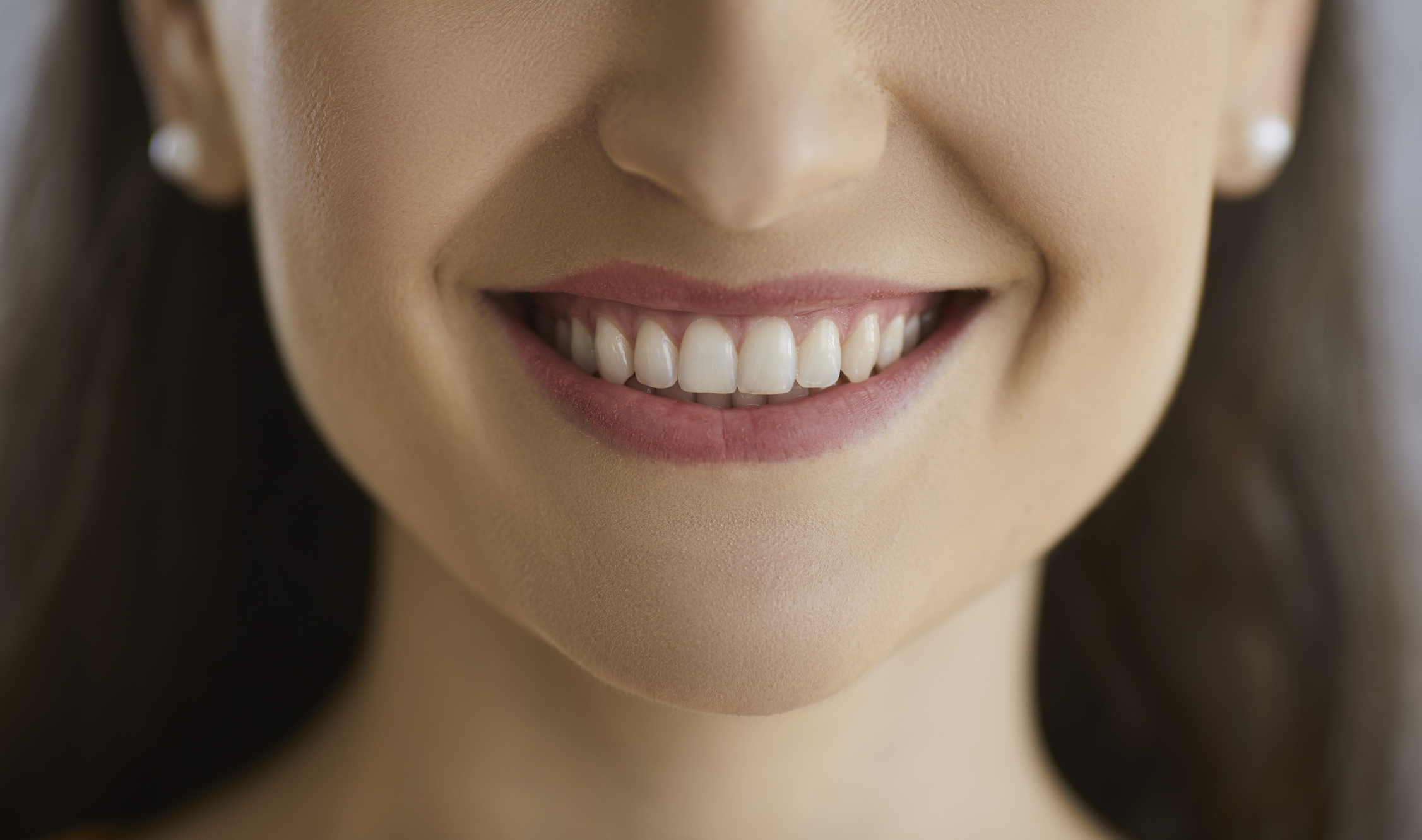
Gapped teeth, clinically known as a diastema, can be treated using cosmetic dental bonding for a fast, single-visit closure, porcelain veneers for a durable, complete smile makeover, or clear orthodontic aligners to physically shift teeth into proper alignment. The best treatment depends on the size of the gap and your aesthetic goals.
Medical literature supports that moderate improvement in quality of life as early as the start of orthodontic therapy [1] (Nagalakshmi et al., 2014). Many patients assume that the space between their front teeth is purely a cosmetic concern. While your primary goal might be a more confident smile for your next meeting downtown, closing a gap actually provides significant medical benefits. Wide spaces between teeth act as natural food traps. When you eat, fibrous foods easily get wedged into the diastema, pushing directly against your delicate gum tissue. Over time, this constant food impaction leads to plaque buildup, chronic gum inflammation, and eventually localized periodontal disease. By closing the gap with cosmetic bonding, veneers, or orthodontics, you eliminate this plaque trap. Your teeth establish proper contact points, making your daily flossing routine more effective and drastically lowering your risk of gum infections.
Clinical literature suggests that a functional and aesthetic outcome can be achieved through proper technique selection, based on the type of frenal attachment [2] (Devishree et al., 2012). If you have a pronounced gap between your two upper front teeth, the culprit might be a piece of tissue called the labial frenum. This is the small band of tissue that connects your upper lip to your gums. If this tissue is unusually thick or attaches too low on the gumline, it acts as a physical wedge, constantly pushing your two front teeth apart. If we simply use clear aligners to push the teeth together without addressing the tissue, the gap will eventually reopen. At St. Matthews Family Dental, our dentist evaluates your frenum during your consultation. If necessary, we use a gentle, micro-invasive laser to release the tension in this tissue (a procedure called a frenectomy). This quick, painless step ensures that once your gap is closed, it stays closed permanently.
For parents, seeing a massive gap appear when your child’s permanent front teeth erupt can be alarming. However, in pediatric dentistry, this is a completely normal phase of facial development. As their permanent canine teeth eventually drop down into place, they naturally push the front teeth together, often closing the gap on its own. For adults, the story is different. Once your jaw has stopped growing, a diastema will never close on its own. In fact, adult gaps can actually widen over time due to shifting teeth or bone loss. We typically wait until a patient is in their late teens or early twenties, once jaw growth is complete, before using permanent solutions like porcelain veneers or cosmetic bonding to ensure the proportions remain perfect for decades.
A table that provides a treatment comparison for gapped teeth
Feature | Cosmetic bonding | Porcelain veneers | Clear aligners |
Primary benefit | Constant | Permanent | Corrects the root structure |
Time to complete | 1 visit | 2 visits | 6-18 months |
Durability | 5-7 years | 10 -15 years | Permanent |
Enamel removal | Zero to minimal | Moderate | None |
Maintenance level | Moderate | Low | Daily aligner cleaning |
We know that dental anxiety isn’t just about physical pain; it’s also about the fear of the unknown. You might be wondering, “What if the dentist closes the gap, but my teeth look too wide or bulky?” Before Dr. Bevilacqua ever applies a drop of bonding resin or prepares a tooth for a veneer, we use high-speed digital intraoral scanners to map your mouth. We bypass the old-fashioned, gag-inducing putty impressions and create a 3D digital model of your teeth. Using this technology, we design a “Virtual Smile Preview.” We project a high-definition image of what your new, gap-free teeth will look like right on the chairside monitor. You get to approve the final aesthetic design before you invest a single dollar in treatment.
A common question we hear from patients is, “Will I still be able to floss if you bond my teeth together?” The answer is an absolute yes. Whether we use composite bonding or porcelain veneers, we never glue your teeth together into a single block. Dr. Bevilacqua meticulously sculpts and polishes the sides of each tooth independently, leaving a microscopic, perfectly smooth contact point. Floss will glide effortlessly between your new teeth. In fact, many patients find flossing much easier after their gap is closed because the floss no longer snaps harshly into the gums. To protect your investment, simply maintain your six-month cleanings with our St. Matthews hygiene team, brush twice daily, and wear a custom night guard if you are prone to grinding your teeth at night.
If the bonding resin remains intact, the gap will stay closed. However, composite resin can chip over time if you use your front teeth to bite hard objects (like ice) or if you grind your teeth at night.
Usually, no! Because we are adding material to the sides of your teeth rather than removing deep decay, there is typically no pain involved. Most gap closures via bonding are completely needle-free and drill-free, allowing you to return to work immediately without a numb lip.
This depends heavily on the size of the diastema. Minor gaps can often be closed within 3 to 6 months. During your consultation, we use 3D digital imaging to show you a virtual timeline of exactly how long your specific orthodontic movement will take.
[1] Nagalakshmi, S., Sathish, R., Priya, K., & Dhayanithi, D. (2014). Changes in quality of life during orthodontic correction of midline diastema. Journal of pharmacy & bioallied sciences, 6(Suppl 1), S162–S164. https://doi.org/10.4103/0975-7406.137435
[2] Devishree, Gujjari, S. K., & Shubhashini, P. V. (2012). Frenectomy: a review with the reports of surgical techniques. Journal of clinical and diagnostic research : JCDR, 6(9), 1587–1592. https://doi.org/10.7860/JCDR/2012/4089.2572