
Dental sedation for seniors is a highly regulated, safe clinical protocol that uses age-adjusted doses. When administered by our team at St. Matthews Family Dental, who meticulously evaluate medication contraindications and medical histories, sedation safely minimizes physiological stress, physical discomfort, and dental anxiety.
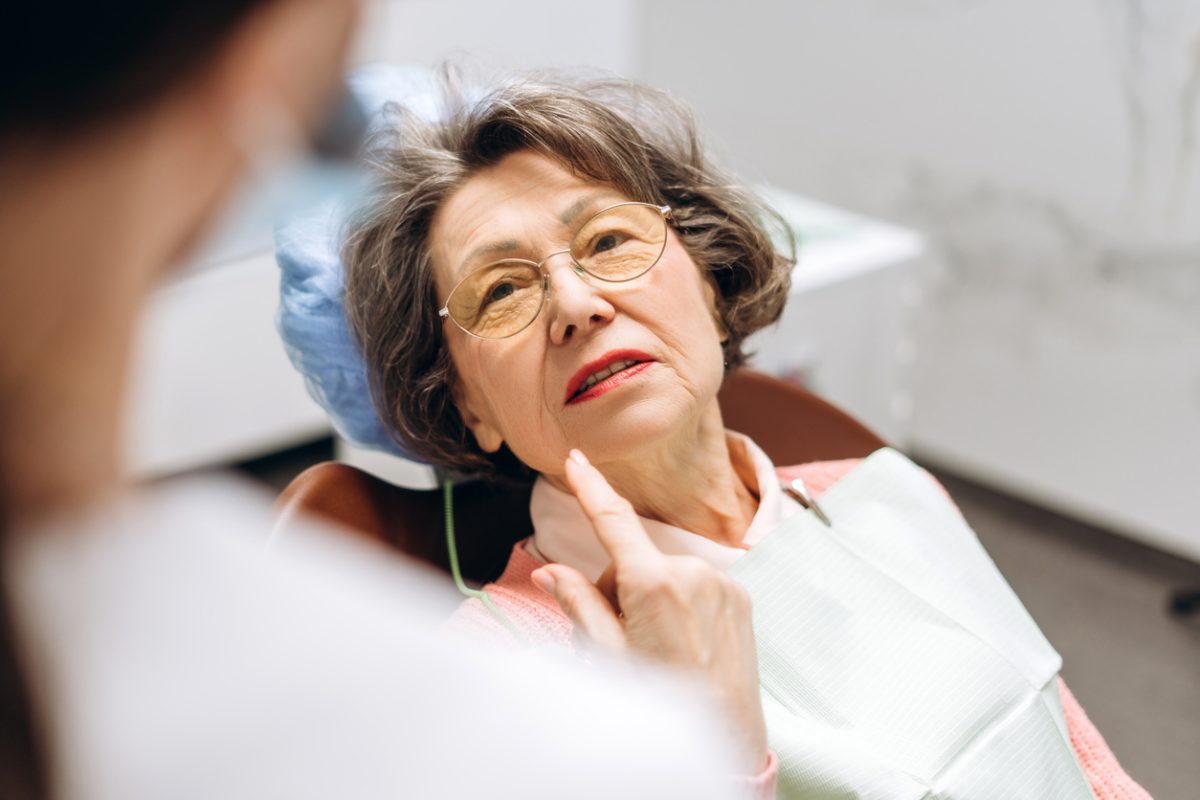
Medical literature supports that procedural sedation is generally safe in elderly patients (Eldawlatly et al., 2023). For a healthy 30-year-old, a standard dose of an oral sedative is metabolized quickly by the liver and filtered by the kidneys. However, for a patient in their 70s or 80s, kidney and liver function naturally slow down. Additionally, seniors often have a higher body fat-to-lean muscle ratio. This can cause certain sedative medications to linger in the body much longer than intended. If a dentist uses a standard adult dose for a senior patient, it can lead to over-sedation, prolonged grogginess, or a drop in blood pressure. By respecting the older body’s slower clearance rate, we ensure your loved one wakes up feeling refreshed rather than heavily medicated.
The single greatest safety hurdle in geriatric dentistry is “polypharmacy”, the medical term for taking multiple daily prescription medications. Many older adults rely on a daily regimen of blood thinners, hypertension pills, cholesterol medications, or diabetes treatments. Mixing dental sedatives with these medications without careful oversight can cause adverse and sometimes severe drug interactions. For example, combining certain oral dental sedatives with daily blood pressure medications can cause the cardiovascular system to relax too much, leading to dangerous dizzy spells when the patient stands up. To prevent this, our clinical team conducts a comprehensive pharmacological audit before scheduling any procedure. We ask patients or their caregivers to bring in their complete medication list, including over-the-counter supplements like St. John’s Wort or high-dose fish oil, which can affect bleeding and metabolism. If we identify a contraindication, we will adjust our sedation strategy, often pivoting to inert Nitrous Oxide, which bypasses the liver entirely and does not interact with daily prescription drugs.
When most people think of dental sedation, they think of managing dental anxiety or fear of the drill. But for the aging population, the primary benefit of sedation is often physical, musculoskeletal relief. Sitting perfectly still in a dental chair for a 90-minute crown preparation or root canal can be agonizing for a patient suffering from osteoarthritis, severe back pain, or osteoporosis. When a patient is in physical pain, they instinctively tense their muscles, a response known as guarding. This tension elevates their heart rate and exhausts their body. Dental sedatives act as powerful central nervous system relaxants. By utilizing mild to moderate sedation, we relax the muscles in the neck, jaw, and lower back. This prevents the severe stiffness and joint ache that seniors often experience the day after a long appointment. It allows our patients to rest comfortably in the chair, turning what used to be a physically grueling endurance test into a simple, relaxing nap.
Table that compares senior sedation options
Feature | Nitrous oxide | Oral conscious sedation | No sedation |
Metabolic impact | None | Moderate | None |
Physical relief | Mild joint relaxation | Deep musculoskeletal relief | High physical strain |
Cognitive effect | Fully alert | Deep twilight sleep | Full awareness |
Best for | Routine cleanings | Implants, extractions | Very brief |
Driver required? | No | Yes | No |
The Centers for Disease Control report a significant association between the number of teeth lost, dental service use, and subjective cognitive decline (Alshanbari et al., 2025). For seniors living with Alzheimer’s, dementia, or other forms of cognitive decline, a visit to the dentist can be deeply disorienting. The clinical environment is filled with bright lights, high-pitched noises, and unfamiliar faces. For a patient who struggles with memory or sensory processing, this environment can trigger severe confusion, environmental distress, or even combative behavior. Sedation is a compassionate tool to manage this sensory overload. Mild pharmacological support creates a psychological buffer, turning down the volume on the clinic’s sights and sounds. For patients with dementia who may not understand why a dentist needs to look in their mouth, sedation lowers their defensive instincts and allows our hygienists to perform necessary, infection-preventing care safely. By keeping the patient in a calm, parasympathetic state, we help prevent the visit from becoming a traumatic event, making future dental appointments significantly easier for both the patient and their caregiver.
Trusting a provider with an aging parent’s health requires knowing exactly what happens behind the clinic doors. A specific Senior Safety Protocol that exceeds standard clinical requirements to ensure total physiological stability from arrival to departure.
In most cases, yes. It is critical that cardiovascular medications are taken as prescribed to keep the heart stable. During your consultation, the dentist will provide precise instructions on which morning medications should be taken with a small sip of water prior to the appointment.
The clinical environment can trigger severe environmental distress or combative behavior in patients with cognitive decline. Mild sedation acts as a sensory buffer, lowering their anxiety and allowing our team to perform vital oral hygiene care safely and gently.
Because Nitrous Oxide (laughing gas) is not metabolized by the body’s internal organs and is completely flushed from the system with pure oxygen in five minutes, it is widely considered the safest pharmacological option for elderly patients taking multiple daily medications.
[1] Eldawlatly, A. A., Delvi, M. B., & Ahmad, A. (2023). Procedural sedation analgesia in the elderly patient. Saudi journal of anaesthesia, 17(4), 533–539. https://doi.org/10.4103/sja.sja_575_23
[2] Alshanbari, M. H., Cheney, A. M., Alhazmi, H. A., & Bouldin, E. D. (2025). The Impact of Oral Health and Dental Services on the Prevalence of Subjective Cognitive Decline Among Middle-Aged and Older US Adults: Behavioral Risk Factor Surveillance System, 2022. Preventing Chronic Disease, 22. https://doi.org/10.5888/pcd22.250083