

You can transform your smile quickly and confidently with veneers, especially if you live in Louisville and want results that look natural and last. Veneers can correct chips, stains, gaps, and minor alignment issues while preserving healthy tooth structure, giving you a brighter, more even smile without long, invasive procedures.
They make cosmetic improvements and can improve bite function and enamel protection when placed correctly by an experienced dentist. Expect a personalized plan that balances aesthetics, comfort, and longevity, with options for materials, financing, and follow-up care tailored to your needs — all covered in the sections that follow to help you decide if veneers are right for you.
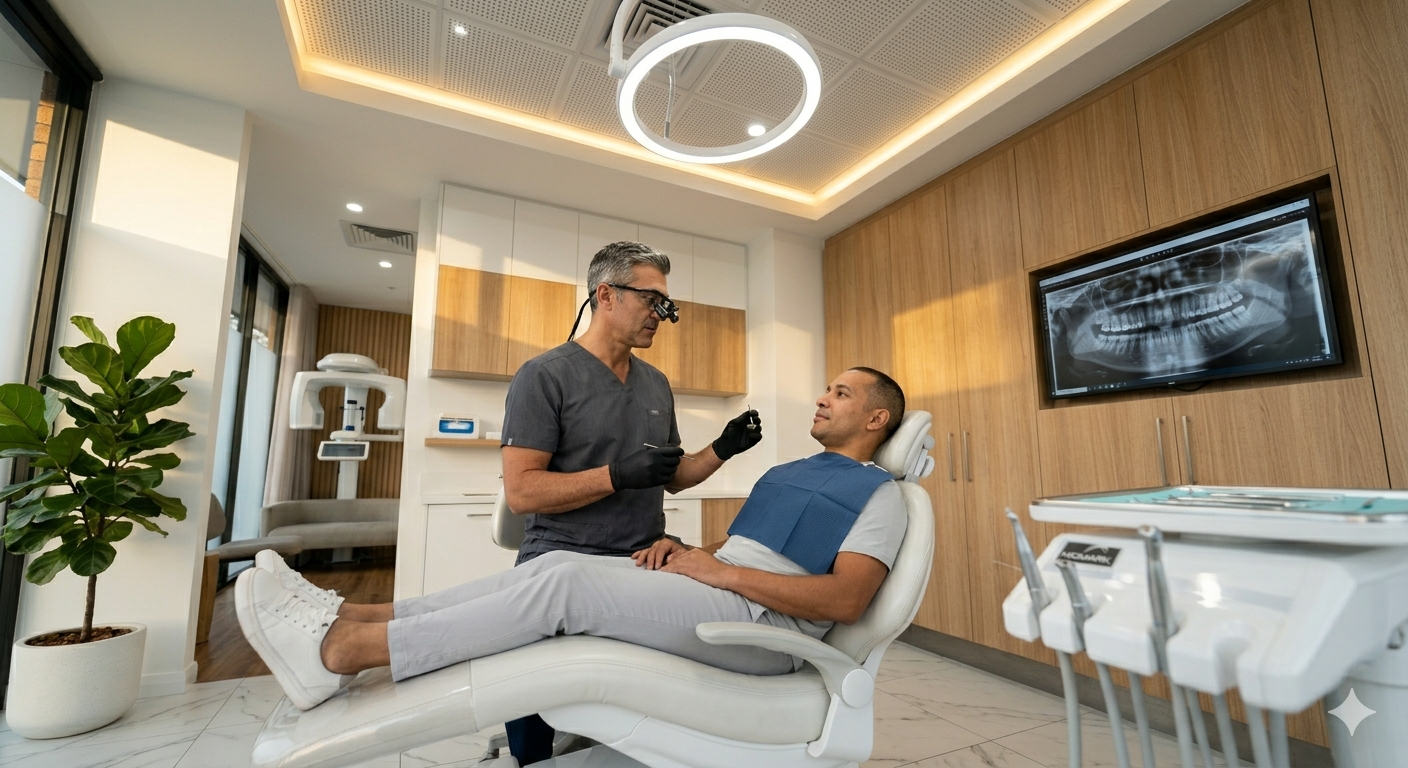
Veneers are thin shells bonded to the front of teeth to change color, shape, size, or length. They address chips, gaps, stains, and minor misalignments without full crowns or braces.
Porcelain veneers are the most common in Louisville practices. They resist stains, mimic tooth enamel’s translucency, and typically last 10–15 years with good care. Porcelain requires 1–3 appointments: consultation, minimal enamel reduction and impression, then bonding when the lab-made veneers return.
Composite resin veneers cost less and can often be completed in a single visit. The dentist sculpts resin directly onto the tooth and cures it with a light. Composite bonds less strongly than porcelain and may need more frequent polishing or replacement, typically 5–7 years.
Lithium disilicate (e.max) offers higher strength for patients who clench or need longer spans. Some clinics use no-prep or minimal-prep veneers for patients with adequate enamel and minor cosmetic issues. Each option balances durability, tooth preparation, aesthetics, and cost.
The process begins with a clinical exam and digital photos or X-rays to plan shade, shape, and fit. For porcelain veneers, the dentist removes a thin layer of enamel—often 0.3–0.7 mm—to make room and ensure a natural look. An impression or digital scan goes to the lab; temporary veneers protect teeth while the permanent ones are fabricated.
At the bonding visit, the dentist trials the veneers for fit and shade, adjusts as needed, then etches and primes the tooth surface. A resin cement bonds the veneer, and the dentist cures it with a curing light. Final adjustments and polishing ensure correct bite and smooth margins.
Patients should expect some sensitivity for a few days and maintain oral hygiene with regular brushing, flossing, and dental checkups to prolong veneer life.
Veneers can target specific visual concerns to create a balanced, brighter smile. They offer predictable color control, reshaping, and minor gap correction with conservative tooth preparation and durable materials.
Porcelain and composite veneers mask intrinsic stains that whitening cannot fix, such as tetracycline bands or fluorosis. Porcelain veneers resist staining and mimic natural enamel translucency, so patients achieve a consistent shade across all visible teeth.
The dentist selects a shade using digital photos and shade guides to match skin tone and facial features. Minimal enamel reduction—typically 0.3–0.7 mm for porcelain—preserves tooth structure while creating space for the veneer material.
Veneers also prevent future discoloration on the treated surfaces, though patients should avoid heavy smoking and limit staining foods to extend results. Routine polishing and at-home care maintain the luster; follow-up visits every 6–12 months let the clinician check margins and address any surface wear.
Veneers reshape teeth to correct worn, short, or uneven edges without full crowns. They can lengthen front teeth subtly to reduce a “gummy” appearance, or widen narrow lateral incisors for better proportion in the smile.
Clinicians use mock-ups and digital smile design to show patients expected changes before any tooth alteration. Conservative tooth preparation allows the veneer to sit flush with the gum line, avoiding bulky or over-contoured results.
This approach improves symmetry and creates a more youthful tooth contour while preserving as much natural tooth as possible. Longevity depends on material choice and occlusion management; dentists may recommend nightguards for bruxism to protect the new shapes.
Veneers close diastemas and small spacing inconsistencies quickly, often in two visits from consultation to final bonding. By adding material to adjacent teeth, veneers eliminate gaps without orthodontic treatment for mild cases.
The dentist evaluates bite and tooth alignment to ensure gap closure won’t create functional problems. In some cases, a combination of minor orthodontics and veneers provides the best long-term result; the clinician will discuss this during planning.
Bonding technique and margin placement are critical to avoid food traps and maintain gum health. Proper polishing and patient hygiene keep the interproximal areas clean and reduce the risk of staining or decay around veneer edges.
Veneers can improve tooth function and reduce future dental work by restoring surface shape and sealing compromised areas. They also protect against wear and make daily care simpler, while preserving as much natural tooth as possible.
Veneers provide a thin, custom-fit shell that bonds to the front and biting edge of a tooth, distributing chewing forces more evenly. This bonding fills small fractures or worn areas, reducing stress on remaining tooth structure and lowering the risk of further chipping.
When enamel is thin or previously ground down, veneers add structural support without the bulk of a crown. Porcelain or high-strength composite materials resist fracture and maintain shape under normal chewing forces.
Patients with minor cracks, erosion from acid, or enamel hypoplasia often see improved function and comfort after veneer placement. Dentists may combine veneers with minimal restorative work—such as bonding or occlusal adjustments—to optimize bite alignment and reduce premature wear.
Veneers act as a protective barrier over vulnerable enamel, shielding it from acidic foods, abrasive toothpaste, and mechanical wear. The sealed margin at the gum line helps prevent bacteria and staining agents from penetrating weakened areas.
Because veneers cover the visible tooth surface, they reduce direct exposure to factors that accelerate erosion and discoloration. This protection is particularly useful for patients who grind their teeth lightly or consume acidic beverages regularly.
Maintenance still matters: regular exams, nightguards for bruxism when indicated, and gentle oral hygiene preserve both the veneer and the underlying enamel. With proper care, veneers help maintain tooth integrity and delay more extensive restorations in the future.
Patients can expect individualized plans that match tooth shape, color, bite alignment, and lifestyle needs. Local practices combine digital design, shade guides, and material choices to create durable, natural-looking results.
The dentist evaluates tooth anatomy, bite dynamics, and gum lines during the first visit. They use intraoral scans or impressions, digital smile design software, and a shade guide to plan the exact shape and color.
Options include porcelain for stain resistance and longevity, or high-quality composite for quicker, less invasive placement. Porcelain typically lasts 10–15 years with proper care; composite may need touch-ups more often.
Preparation ranges from minimal enamel removal to no-prep veneers depending on tooth position and aesthetic goals. Temporary veneers or mock-ups let patients preview results and request adjustments before final bonding.
A clear warranty and a written aftercare plan (daily hygiene, avoid hard foods, regular check-ups) help protect the investment. Cost estimates, financing options, and a timeline are reviewed so patients understand the full treatment pathway.
Louisville practices often staff prosthodontists, cosmetic dentists, and experienced dental technicians who collaborate on case planning. Many clinics use local dental labs to hand-layer porcelain for more lifelike translucency and faster turnaround.
The team assesses medical history, TMJ status, and bruxism risk to prevent premature veneer failure. When necessary, they recommend night guards, bite adjustments, or orthodontic alignment before veneer placement.
Sedation options and comfort measures—numbing gels, clear explanations, and short appointment segments—help anxious patients. Follow-up visits at 1 week and 6 months confirm fit, polish margins, and address sensitivity.
Most offices provide before-and-after photos, patient testimonials, and a written maintenance schedule. They encourage scheduling a consultation to review personalized options and to answer any questions about longevity, costs, and expected outcomes.
Patients in Louisville can expect a treatment experience designed for comfort, predictability, and efficient results. Modern veneer workflows focus on minimal tooth alteration, clear timelines, and personalized comfort plans to reduce anxiety and downtime.
The veneers process typically spans two visits. On the first visit, the dentist examines teeth, takes digital X-rays and intraoral scans, and discusses shade and shape choices. They remove a thin layer of enamel—usually 0.3–0.7 mm—so the veneers sit flush with adjacent teeth. Local impressions or digital scans go to the lab while a temporary set protects the prepared teeth.
At the second visit, the dentist tries the custom veneers for fit and color under natural light, makes minor adjustments, and bonds them using a resin cement cured with a blue light. Each tooth bonding step takes about 5–10 minutes, and a full upper or lower arch usually finishes in 60–90 minutes.
Most patients report mild pressure rather than sharp pain due to enamel-only reduction. The clinic offers topical numbing gel and local anesthetic injections (e.g., 2% lidocaine) for those with sensitivity or dental anxiety. For patients with severe anxiety, oral sedatives (like 5–10 mg diazepam prescribed in advance) or nitrous oxide are available; deep IV sedation is rarely necessary for veneer cases.
Postoperative soreness is usually limited to gum tenderness and lasts 24–48 hours. Over-the-counter analgesics (ibuprofen 200–400 mg every 4–6 hours as needed) handle discomfort for most patients. The dentist provides care instructions, emergency contact information, and a follow-up within 1–2 weeks to check fit and comfort.
Veneers provide durable cosmetic improvement when maintained properly. Regular cleaning, smart habits, and routine dental visits keep them looking natural and functioning well for years.
Patients should brush twice daily with a soft-bristled toothbrush and non-abrasive fluoride toothpaste to avoid wearing the veneer margins. Floss once a day, sliding gently along the gumline to prevent gum inflammation that could expose veneer edges.
Avoid biting hard objects like ice, pen caps, or fingernails; these actions can chip porcelain or composite. If a patient grinds teeth, a nightguard fitted by the dentist protects veneers from fracture and wear.
Limit highly staining foods and drinks—coffee, red wine, and tobacco—to preserve color, even though porcelain resists stains better than natural enamel. Attend dental cleanings every six months so the hygienist can remove surface build-up and the dentist can check fit and margins.
Choose high-quality porcelain veneers and an experienced cosmetic dentist for precise bonding and minimal tooth reduction; this reduces the risk of debonding and sensitivity. Proper cementation technique and occlusal (bite) adjustment at placement greatly influence longevity.
Address any minor chips or debonding promptly; small repairs or re-bonding often avoid full replacement. Maintain overall oral health—treat cavities and gum disease quickly, because underlying decay or recession threatens veneer integrity.
Expect porcelain veneers to last 10–15 years with excellent care; composite alternatives typically last 5–7 years. The dentist will recommend personalized follow-up intervals and a repair/replacement plan based on wear patterns and oral health status.
This section highlights practical differences patients often ask about: durability, tooth preparation, cost, and appearance. It focuses on which option fits specific needs like stain resistance, minor shape corrections, or budget limits.
Teeth whitening is a conservative, low-cost method that lightens natural tooth enamel through peroxide gels applied in-office or at home. It works best for surface stains from coffee, tobacco, or aging, and typically requires re-treatment every 1–3 years to maintain brightness.
Veneers are thin porcelain shells bonded to the front of teeth and mask intrinsic stains that whitening cannot remove. They require removal of a small amount of enamel and an upfront investment but provide long-lasting color stability, often 10–15 years with good care.
Considerations for choice:
Dental bonding uses composite resin sculpted directly onto teeth to correct chips, gaps, or mild shape issues in a single visit. It preserves most tooth structure and is the least invasive cosmetic option, with a treatment cost typically lower than veneers.
Veneers offer superior esthetics and color stability because porcelain resists staining and mimics natural translucency better than composite. They require two or more visits for preparation, impressions, and final cementation, and they last longer under normal chewing forces.
Key comparison points:
Patients should discuss oral health, budget, and aesthetic goals with their dentist to choose the most appropriate option.
Candidates for veneers typically have stable oral health, realistic aesthetic goals, and a commitment to maintenance. The right person understands trade-offs like enamel removal and possible replacement after 10–15 years.
A candidate should have healthy gums and minimal active decay. Untreated cavities and gum disease must be treated before veneers to avoid failure and infection.
Sufficient tooth enamel is essential because veneers bond to enamel. Severe enamel erosion, extensive crowns, or very short teeth may require alternative options such as crowns or orthodontics first.
Bite alignment matters. Patients with severe bruxism (tooth grinding) or a heavy bite need evaluation and possibly a night guard or bite adjustment to protect porcelain veneers from chipping.
Finally, good oral hygiene and regular dental visits increase long-term success. Dentists look for people who brush, floss, and attend cleanings every 3–6 months as recommended.
Candidates should have clear, specific cosmetic goals—closing small gaps, covering deep stains, or changing tooth shape. Vague desires like “perfect smile” require a consultation to set realistic, measurable outcomes.
They must understand that veneers improve appearance but don’t stop future staining or decay. Porcelain resists stains better than composite, but routine care remains necessary to preserve shade and margin health.
Longevity and cost should match patient expectations. Veneers typically last 10–15 years; replacements involve additional tooth preparation and expense. Patients should be prepared for that timeline and budget.
Finally, emotional readiness matters. Candidates who prefer minimally invasive, fast aesthetic results and accept maintenance responsibilities usually report higher satisfaction after treatment.
Veneer pricing depends on material, number of teeth, and lab fees, while payment choices range from insurance limits to in-office financing plans. Patients should expect to compare porcelain versus composite costs and verify what portion, if any, their dental insurance will cover.
Porcelain veneers in Louisville typically range from $925 to $2,500 per tooth, depending on the laboratory, the dentist’s experience, and whether additional preparatory work (like bonding, gum reshaping, or root canal) is required. Composite veneers cost less—often $250 to $1,500 per tooth—but they wear faster and may need replacement sooner.
A full smile makeover (6–10 veneers) multiplies single-tooth prices and may require temporary veneers, impressions, and follow-up adjustments. Patients should request a written estimate that itemizes: consultation, x‑rays, tooth preparation, temporary veneers, lab fees, and final placement. That makes comparisons across practices straightforward.
Most dental insurance classifies veneers as cosmetic and covers little to none of the cost, unless a veneer is deemed medically necessary after trauma or to repair a tooth compromised by disease. Patients should call their insurer with CPT/Dental Procedure codes provided by the dentist to confirm any potential coverage.
Common payment options in Louisville clinics include:
Dentists often provide a cost-breakdown worksheet and can run pre-authorization with insurers or financing applications to help patients choose the most affordable route. Patients should compare total repayment cost, interest rates, and any down payment required before committing.
Patients often find the first step is a simple consultation. A dentist in Louisville will review medical history, examine teeth, and discuss goals so treatment matches the patient’s lifestyle and budget.
They usually provide a clear treatment plan with timelines and costs. This plan often includes photos, shade selections, and examples of previous work to help patients envision results.
Many practices offer financing or phased plans to make veneers more accessible. Asking about warranties, follow-up visits, and emergency care helps patients feel secure about their investment.
Preparing for the appointment is easy: bring a list of questions, current medications, and photos of smiles the patient likes. This makes the conversation focused and efficient.
Common patient questions include longevity, maintenance, and whether veneers will look natural. A trustworthy dentist explains realistic outcomes and recommends preventive care to extend veneer life.
Patients should expect a warm, reassuring environment that prioritizes comfort. Sedation or numbing options are available for those with dental anxiety.
If they want to move forward, scheduling a consultation is the next practical step. Contacting the Louisville office by phone or online lets them book a visit and get personalized answers.
Veneers can change the shape, color, and alignment of teeth with predictable results. The questions below cover typical clinical outcomes, risks, costs, lifespan, preparation, and daily care so patients can weigh options and plan next steps.
Veneers work well for visible front teeth with chips, intrinsic stains that whitening won’t remove, and mild-to-moderate unevenness. Dentists recommend veneers when enamel is otherwise healthy and when orthodontic movement is either unnecessary or undesired.
Veneers can chip, debond, or allow decay at the margin if oral hygiene is poor. Choosing a skilled dentist, using high-quality porcelain, and maintaining regular cleanings reduce these risks.
Single-tooth veneer prices in Louisville commonly range from approximately $900 to $2,500 per tooth depending on material and lab work. Factors that affect cost include porcelain versus composite, lab reputation, the dentist’s experience, preparatory work (like gum shaping or repair), and whether insurance covers part of the treatment.
Porcelain veneers typically last 10 to 15 years; some last 15 to 20 years with excellent care. Over time patients may notice minor wear, slight color differences at the gumline, or the need for replacement due to fracture, underlying decay, or changes in surrounding teeth.
Most porcelain veneers require a small amount of enamel removal—usually 0.3 to 0.7 mm—to create room for the veneer and ensure a natural fit. Dentists use local anesthesia for comfort, and patients generally report minimal post-procedure sensitivity that resolves within days to weeks.
Patients should brush twice daily with a non-abrasive fluoride toothpaste and floss once daily to protect margins and underlying tooth structure. Regular dental checkups, avoiding hard habits (ice biting, nail chewing), and using a nightguard for grinding preserve veneers and prevent fractures.
Questions about candidacy, material choice, or cost estimates should prompt a consultation with a local dentist to get personalized recommendations and a detailed treatment plan.