
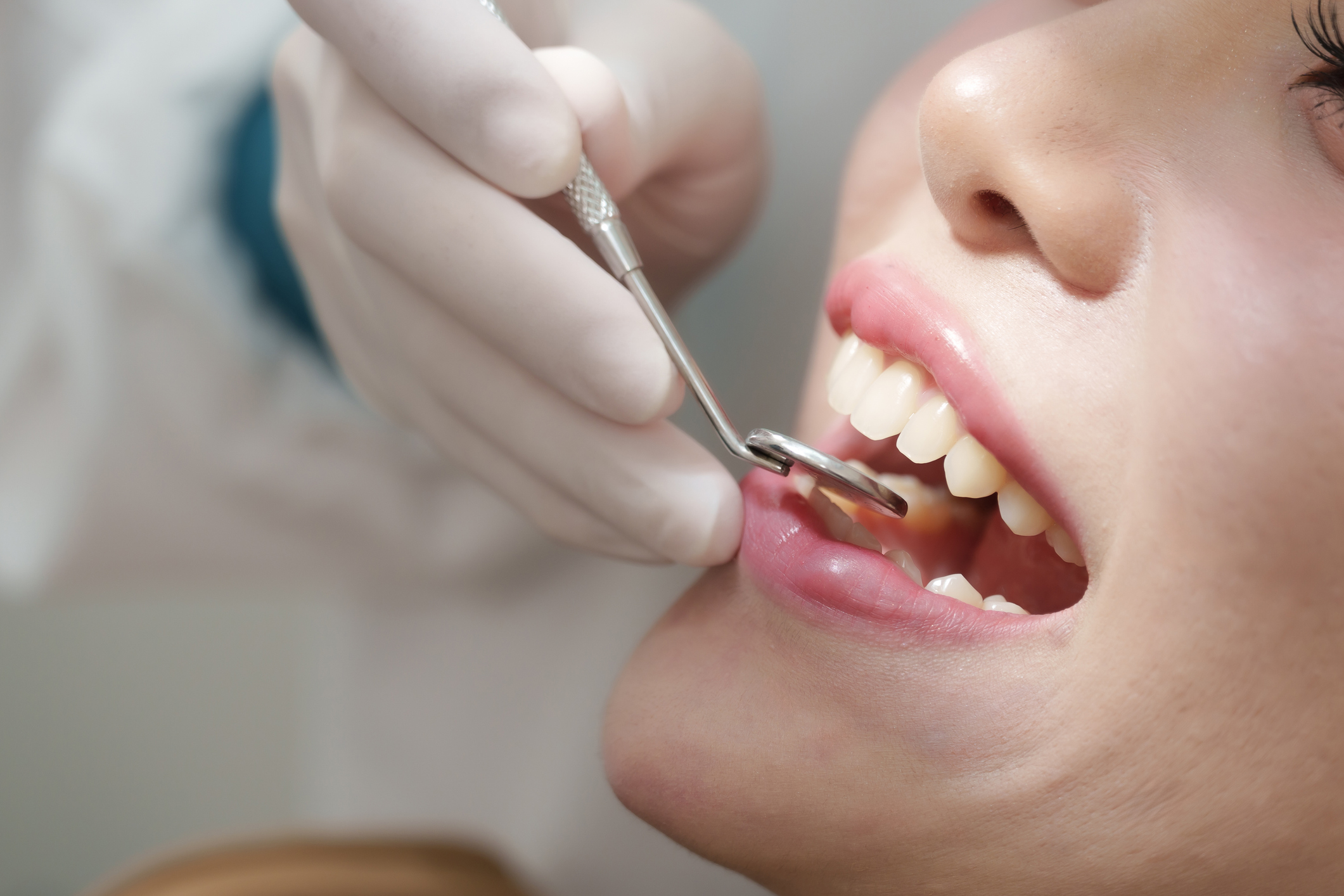
You do not need to replace your silver fillings unless they are defective, leaking, or causing structural damage to the tooth. Dr. Nikki Bevilacqua at St. Matthews Family Dental recommends a conservative approach, removing amalgam fillings and replacing them with tooth-colored composites only when clinically necessary to protect your health.
Overtreatment is just as harmful as dental neglect. When a dentist removes an old filling, they must inevitably buff away a microscopic layer of your surrounding healthy enamel to ensure the new material has a clean surface to grip. Dr. Nikki Bevilacqua’s conservative philosophy means we never sacrifice your natural, healthy tooth structure for a purely cosmetic upgrade. If your silver filling is tightly sealed, structurally sound, and doing its job, keeping it intact is the most biologically safe decision. In fact, medical literature supports that amalgam fillings have a longer longevity than composite fillings [1] (Antony et al., 2008). We simply monitor your restorations during your routine visits at our St. Matthews clinic, stepping in only when the old metal poses a greater risk to your health than replacing it.
Silver fillings do not last forever, and the biggest threat to an aging amalgam is what you cannot see in your bathroom mirror. As metal fillings age, thermal stress from hot coffee and cold water causes the metal to expand and contract. Over time, the metal pulls away from your enamel, creating microscopic gaps known as “margin leakage.” Bacteria slip into these dark spaces, creating hidden cavities underneath the filling. Because solid silver blocks traditional X-ray imaging, this secondary decay is notoriously difficult to spot. Dr. Bevilacqua uses high-definition intraoral cameras and advanced tactile diagnostics to identify these structural shadows and hairline fractures early, allowing us to intervene long before the infection requires a costly root canal.
When an old silver filling finally fails, we do not replace it with more metal. For the Wellness Enthusiast, the chemistry of your dental work matters. Old silver amalgams are simply packed tightly into a cavity, relying on sheer force to stay in place. Over the years, this outward physical pressure acts like a wedge, slowly cracking the surrounding natural tooth. When replacement is clinically necessary, we upgrade your smile using BPA-free, biocompatible composite resins. This modern, tooth-colored material acts like a medical adhesive, micro-mechanically bonding directly to the walls of your enamel. Instead of pushing your tooth apart, the composite actually pulls the tooth structure together, restoring its original strength and function.
A table that compares keeping and replacing silver fillings
Feature | Keeping amalgam fillings | Replacing with composite |
Benefit | Preserves enamel | Eliminates micro-fracture risks |
Aesthetic impact | Dark metallic appearance | Custom-shaded to match enamel color |
Tooth structural impact | Rests inside the tooth | Bonds directly to the enamel |
Cost | $0 | Insurance co-pay |
Maintenance level | Standard brushing | Standard brushing |
Removing an old metal filling can trigger dental anxiety, especially if you are concerned about swallowing silver particulates or listening to the high-pitched vibration of dental tools. At St. Matthews Family Dental, your physical and psychological safety are our top priorities. We utilize a strict safety protocol for amalgam removal, incorporating high-volume evacuation suction and specialized tooth isolation techniques to ensure old materials and vapors are safely and instantly cleared from your mouth. Furthermore, if the procedure makes you nervous, we offer Nitrous Oxide sedation. The American Dental Association supports the use of nitrous oxide and oxygen as a safe and effective means of managing pain and anxiety in dentistry [2] (ADA, n.d.).
Managing your family’s healthcare budget means knowing exactly how your insurance responds to restorative care. If you carry Delta Dental or United Concordia through a major employer, you should understand the “cosmetic denial” rule. These insurance carriers will not pay to replace a perfectly healthy silver filling just because you prefer the look of white teeth. They require strict clinical proof of failure, such as recurrent decay or a fractured margin. Dr. Bevilacqua meticulously documents this clinical proof using digital photography to secure your approval. Even then, some plans apply a “downgrade clause,” paying only the rate of a cheap metal filling. Our administrative team will navigate these hurdles for you, providing a crystal-clear, printed estimate so you know your exact out-of-pocket investment before we begin treatment.
When an old amalgam filling is removed, strict safety protocols must be followed. Dr. Bevilacqua uses high-volume suction and specialized isolation techniques to ensure that any silver particulate and vapor are safely evacuated from your mouth, making the removal process incredibly safe.
Modern medical-grade composite resins are engineered for exceptional durability. With proper at-home hygiene and your routine 6-month checkups, a high-quality tooth-colored filling can easily last 7 to 12 years, while actively preventing the “wedge” cracks associated with aging silver amalgams.
Many United Concordia plans cover composite fillings on the visible front teeth, but may apply a “downgrade clause” for back molars, paying only the amalgam filling rate. Our team will verify your specific group benefits instantly to show you exactly how much your plan will cover for a back-tooth replacement.
[1] Antony, K., Genser, D., Hiebinger, C., & Windisch, F. (2008). Longevity of dental amalgam in comparison to composite materials. GMS health technology assessment, 4, Doc12.
[2] ADA. (n.d.). Nitrous Oxide. www.ada.org. https://www.ada.org/resources/ada-library/oral-health-topics/nitrous-oxide