
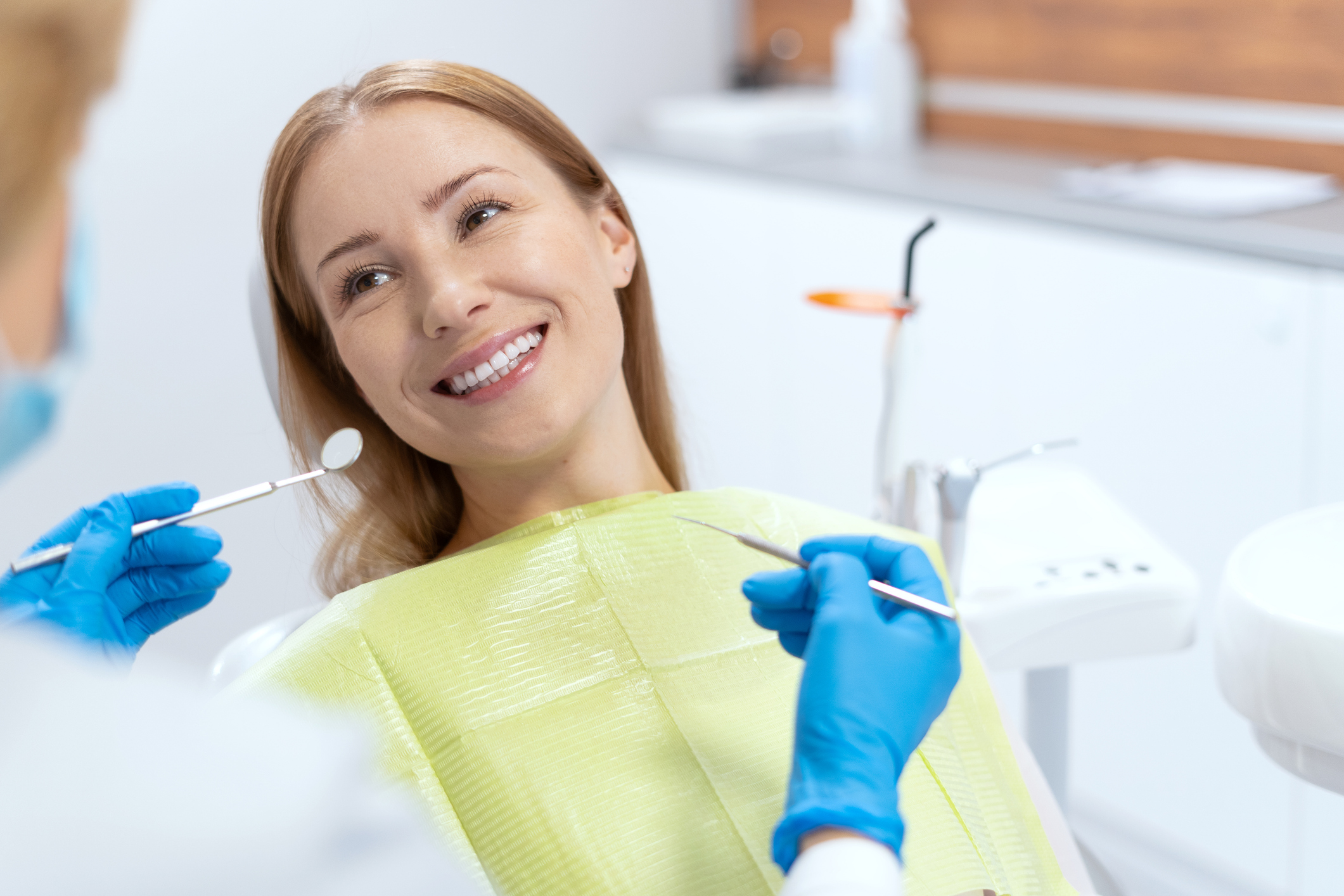
A sedation-assisted dental cleaning is a specialized preventive service that combines standard plaque and tartar removal with pharmacological relaxation, such as nitrous oxide or oral sedatives. This approach allows highly nervous patients to receive their essential biannual oral maintenance in a calm, stress-free, and physically comfortable state.
Many patients assume sedation is reserved strictly for root canals, wisdom tooth extractions, or deep gum therapy. A sedation-assisted routine cleaning offers the same level of comfort as your standard biannual checkup (ADA Code D1110). During this visit, our clinical team focuses on removing surface plaque, polishing your enamel, and capturing diagnostic X-rays. By pairing these standard preventive steps with a mild sedative, typically nitrous oxide (laughing gas), we actively depress your central nervous system. Medical evidence supports that Nitrous oxide is a colorless, odorless gas and an effective analgesic/anxiolytic agent [1] (Bean, 2023). This lowers your sensory awareness. You remain fully conscious and able to communicate with our hygienists, but the sounds, vibrations, and typical discomforts of a dental cleaning feel distant and unbothersome. Medical literature indicates that Conscious sedation is a technique in which the use of a drug or drugs produces a state of depression of the central nervous system [2] (Kapur et al., 2018).
The sedation process at our office is straightforward and highly effective.
Understanding why patients avoid routine care helps us design better solutions. Based on a recent internal review of 1,200 patient visits at St. Matthews Family Dental, we tracked the primary reasons local patients delayed their standard cleanings by 12 months or more:
By offering sedation for routine cleanings, we directly neutralize these top four barriers. Patients who previously avoided the dentist for years now maintain perfect six-month attendance records simply because the sensory triggers are managed pharmacologically.
Feature | Prophylaxis | Sedation Prophylaxis | Sedated deep cleaning |
Goal | Plaque and tartar removal | Lowering anxiety for routine care | Treat active gum diseases |
Estimated cost | Usually $0 with insurance | Standard copay and flat rate for sedation | Subject to deductibles and the sedation fee |
Durability of the results | 6 months | 6 Months | Long-term infection control |
Maintenance level | Biannual visits | Biannual visits | 90-day periodontal visits |
A common question for patients managing a household budget is how insurance handles sedated cleanings. Most major Louisville employer plans, such as Delta Dental, MetLife, and Humana, cover your standard preventive cleaning (D1110) at 100%. However, insurance carriers typically classify the sedation component (such as nitrous oxide) as an elective comfort measure for adults. This means your insurance will cover the clinical cleaning, while you pay a small, transparent flat fee out of pocket for the laughing gas. At St. Matthews Family Dental, we provide a printed estimate before your visit. If you are uninsured, our Dental Savings Plan covers routine cleanings and offers discounted rates on additional comfort options.
Yes. You do not need to have active tooth decay to request sedation. If your teeth are highly sensitive to the cold water or the pressure of the scaling tools used during a routine cleaning, nitrous oxide is an excellent way to raise your pain threshold and keep you comfortable.
While pediatric sedation is often covered, most PPO dental plans view adult sedation during a routine cleaning as an out-of-pocket expense. You will simply pay a flat fee for the nitrous oxide, while your insurance continues to cover the full cost of the cleaning itself.
The cleaning takes the standard 45 to 60 minutes. Because nitrous oxide takes effect in under five minutes and is flushed from your system in five minutes at the end of the appointment, choosing sedation does not add any significant length to your visit.
[1] Bean T, Aruede G. Conscious Sedation in Dentistry. [Updated 2023 Apr 23]. In: StatPearls [Internet]. Treasure Island (FL): StatPearls Publishing; 2026 Jan-. Available from: https://www.ncbi.nlm.nih.gov/books/NBK592406/
[2] Kapur, A., & Kapur, V. (2018). Conscious Sedation in Dentistry. Annals of maxillofacial surgery, 8(2), 320–323. https://doi.org/10.4103/ams.ams_191_18