
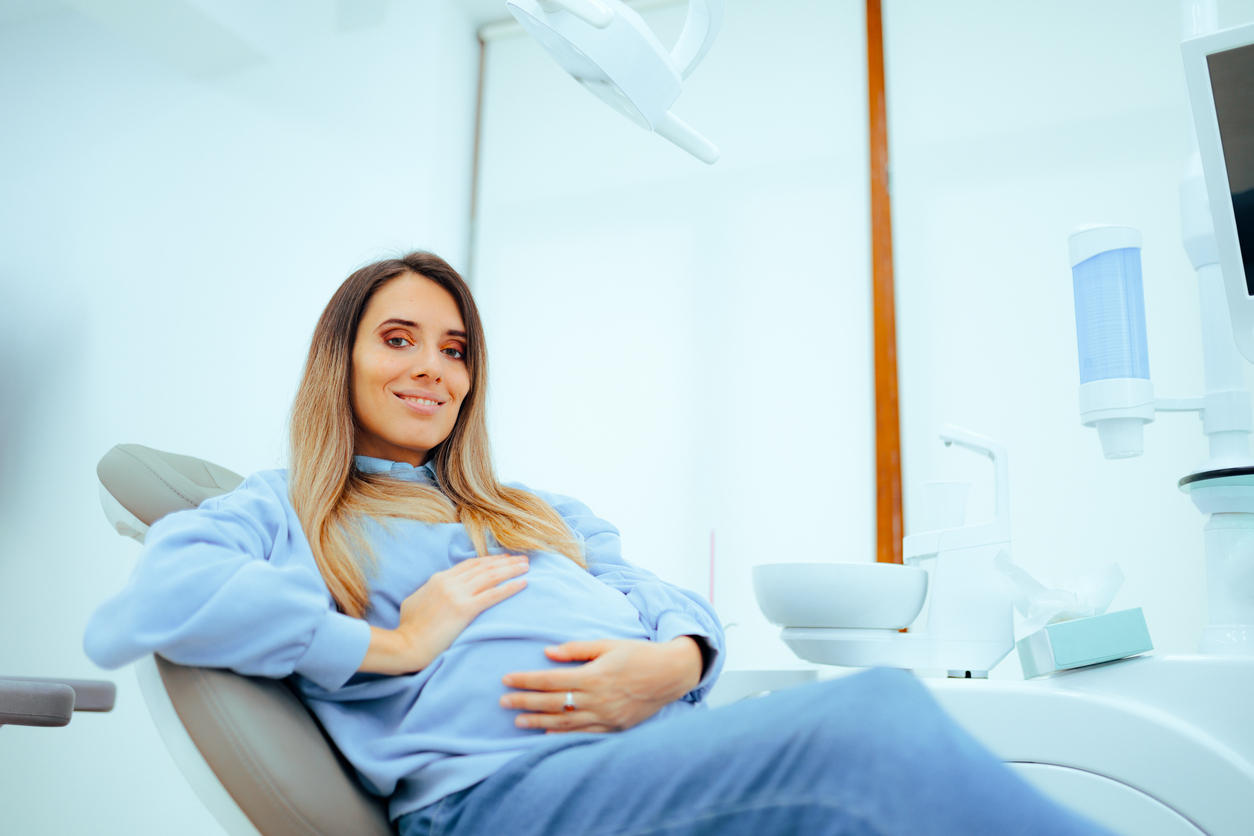
Acid erosion from morning sickness is a dental condition where frequent exposure to stomach acids weakens and dissolves the protective outer layer of your teeth. This chemical process strips away vital minerals, leading to severe enamel wear, heightened temperature sensitivity, and a higher risk of structural tooth decay.
Medical literature supports that the influence of pregnancy on oral health is substantial, contributing to a spectrum of conditions that affect both maternal and fetal outcomes [1] (Varsha et al., 2025). Cravings are a very normal part of growing a baby. However, when you combine daily morning sickness with cravings for acidic or sugary foods, your enamel takes a double hit. Foods like pickles, citrus fruits, and sour candies naturally lower the pH in your mouth. If you eat these right after a bout of morning sickness, the acid levels spike into a dangerous zone. You do not have to ignore your cravings, but you can buffer the effects. If you crave something acidic, try pairing it with a dairy product like a piece of cheese or a glass of milk. Dairy contains calcium and phosphates that naturally neutralize oral acids and help remineralize your teeth. By strategically pairing your snacks, you protect your smile without fighting your pregnancy cravings.
Frequent morning sickness quickly depletes your body of fluids. This often leads to a dry mouth, which is one of your enamel’s worst enemies. Your saliva is a powerful, natural defense system. Medical evidence indicates that Saliva is the most important biological factor affecting the progression of dental erosion [2] (Buzalaf et al., 2012). Saliva removes food particles, neutralizes stomach acid, and covers your teeth in hardening minerals. When you are dehydrated, your saliva production drops, leaving your enamel defenseless against acid erosion. Keeping a water bottle with you during your commute down Shelbyville Road or while running errands is essential. Sip water constantly throughout the day rather than chugging it all at once. If plain water makes you feel nauseous, try chewing sugar-free gum containing xylitol. Xylitol safely stimulates your saliva flow and starves the bacteria that cause tooth decay.
For some mothers, severe morning sickness such as Hyperemesis Gravidarum makes avoiding enamel damage almost impossible. If you reach your second trimester and notice the edges of your front teeth look transparent, chipped, or feel highly sensitive, do not panic. We can safely repair this damage before your baby arrives. The second trimester is the safest and most comfortable window for dental work. At St. Matthews Family Dental, we use biocompatible, BPA-free composite resins to restore worn edges and seal exposed dentin. Because we utilize micro-invasive technology, we can often repair these acid-worn areas without drills or numbing injections. You get to lie back in a quiet, sensory-friendly room and walk out with your tooth strength fully restored.
Many wellness-oriented moms in Louisville use pregnancy as a time to audit their daily healthcare products. While switching to “all-natural” toothpaste might seem like a smart move, your weakened enamel needs clinical support right now. Standard natural pastes often lack the minerals required to rebuild acid-damaged teeth. During pregnancy, we highly recommend using a toothpaste containing either fluoride or nano-hydroxyapatite. Notably, the clinical literature supports the role of fluoride in preventing dental caries [3] (Nassar et al., 2023). Both ingredients are highly effective at plugging the microscopic holes created by stomach acid. Nano-hydroxyapatite is a biomimetic mineral that makes up 97% of your natural enamel, making it a safe, gentle, and highly effective alternative if you prefer to avoid fluoride. Our clinical team can guide you toward the exact over-the-counter products that meet your wellness standards while keeping your teeth structurally sound.
Understanding your options helps you make the best choice for your health and household budget. Here is how different enamel protection strategies compare:
Treatment Option | Estimated Out-of-Pocket Cost | Durability of Results | Maintenance Level |
Baking Soda Rinse (At-Home) | Under $5 | Immediate acid neutralization | Daily/As needed |
Professional Fluoride Varnish | $0 – $50 (Insurance dependent) | 3 to 6 months of protection | Low |
Prescription Enamel Toothpaste | $20 – $30 | Ongoing daily support | Daily |
Cosmetic Bonding (For severe erosion) | $200 – $400 per tooth | 5 to 7 years | Standard brushing |
When stomach acid breaks down your enamel, it creates deep pits where cavity-causing bacteria multiply rapidly. Research shows that mothers are the primary source of oral bacteria for their babies. When you share a spoon, test the temperature of a bottle, or clean off a pacifier, you can pass those cavity-causing bacteria directly to your child. By neutralizing acid and fixing any enamel decay before your due date, you lower your own bacterial load. You are giving your baby the gift of a clean, healthy start, ensuring their tiny new teeth remain safe from early childhood decay.
Frequent morning sickness can severely damage your teeth if the acid is left unmanaged. Gastric acid dissolves tooth enamel, leading to sensitivity, yellowing, and a higher risk of cavities.
Yes. In fact, it is highly recommended. The American Dental Association encourages women to continue their routine dental care during pregnancy. Professional cleanings safely remove plaque and apply protective minerals to keep both your gums and enamel healthy.
A hypersensitive gag reflex is very common during pregnancy. If mint toothpaste triggers your nausea, try switching to a mild, unflavored children’s toothpaste that still contains fluoride.
[1] Varsha, A., Garg, A., & Thakur, R. (2025). Effects of Pregnancy on Oral Health: A Narrative Review. Cureus, 17(10), e94929. https://doi.org/10.7759/cureus.94929
[2] Buzalaf, M. A., Hannas, A. R., & Kato, M. T. (2012). Saliva and dental erosion. Journal of applied oral science : revista FOB, 20(5), 493–502. https://doi.org/10.1590/s1678-77572012000500001
[3] Nassar Y, Brizuela M. The Role of Fluoride on Caries Prevention. [Updated 2023 Mar 19]. In: StatPearls [Internet]. Treasure Island (FL): StatPearls Publishing; 2026 Jan-. Available from: https://www.ncbi.nlm.nih.gov/books/NBK587342/