
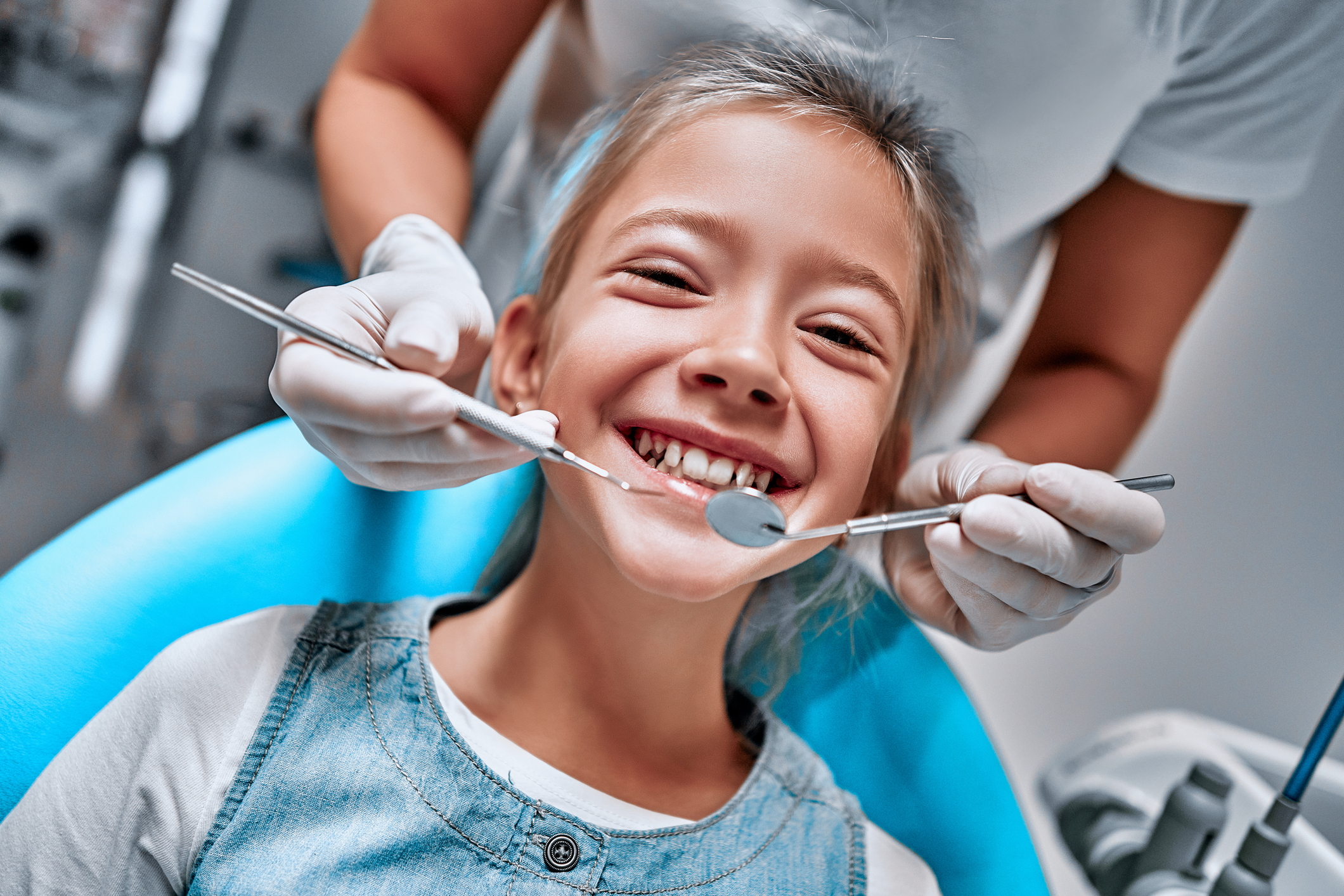
Preparing a child for dental fillings with laughing gas involves using positive, child-friendly language, such as “magic air,” to explain the procedure, maintaining a calm parental demeanor, and following light pre-appointment dietary guidelines. This at-home preparation, combined with professional clinical sedation, ensures a cooperative, anxiety-free restorative dental experience.
Children are incredibly sensitive to shifts in the family routine. To set the stage for a successful filling, keep the morning as low-pressure as possible. Play their favorite upbeat playlist in the car as you drive. Do not repeatedly ask them, “Are you nervous?” or tell them, “Don’t be scared.” Alluding to a possible stressful experience can accidentally plant seeds of worry. Instead, treat the visit to St. Matthews Family Dental just like an ordinary errand, keeping your energy grounded and positive.
Children process new experiences through play. One of the most effective ways to reduce fear of the unknown is to practice the dental visit in your living room a few days beforehand. Have your child lie back on the couch with their head in your lap. You can practice “breathing the magic air” by placing a small paper cup over their nose and having them take deep, slow breaths in and out. Use a soft toothbrush to gently tap on their teeth, counting them out loud while explaining you are “looking for sugar bugs.” By familiarizing them with the physical sensations of having someone look in their mouth, the actual appointment will feel like a game they already know how to play.
While the family-friendly environment is designed to be sensory-friendly, bringing familiar items from home provides an incredible psychological anchor for a nervous child. We highly encourage parents to pack a small “comfort kit.” Bring their favorite stuffed animal to squeeze, a familiar small blanket to lay across their lap, or even their own noise-canceling headphones if they have specific sensory sensitivities. While we provide ceiling monitors to watch their favorite shows, having their own cozy items creates a safe, personal bubble in the dental chair. When their hands are busy holding a beloved toy, their minds are much more receptive to the relaxing effects of the laughing gas.
Table that compares pediatric sedation options
Sedation method | Cost | Durability | Post-op maintenance level |
Nitrous oxide | Low | Ends instantly after an oxygen flush | Zero |
Oral conscious sedation | Moderate | Lasts 4-6 hours | High |
No sedation | $0 | N/A | Low |
Often, the biggest hurdle to a tear-free pediatric visit is the parent’s own unaddressed dental trauma. Kids have a highly tuned radar for their parents’ emotions. If your heart rate spikes and your breathing becomes shallow while watching your child sit in the chair, your child will subconsciously absorb that fear. If you suffer from dental anxiety, acknowledge it, but do your best to compartmentalize it. Take slow, diaphragmatic breaths while you sit beside them. Trust in the clinical team’s trauma-informed care protocols. Remember that modern, needle-free technology and nitrous oxide make dentistry vastly different from the dentistry you may have experienced growing up. Your calm presence is the ultimate safety signal for your child.
The dental visit does not end when the laughing gas mask comes off; it ends with how you frame the memory afterward. Medical literature supports that the effects of nitrous oxide last until the dentist turns off the gas flow and waits for 5-10 minutes for the sedative to leave your system (Mark, 2024). Use this immediate recovery to build a positive neurological loop. Do not focus on the clinical aspects of the filling. Instead, lavish them with praise for their bravery and how well they breathed the magic air. Celebrate the milestone with a fun, non-food reward like picking out a small toy. By capping off the dental visit with a highly positive, fun memory, you guarantee that they will walk into their next six-month checkup with confidence rather than fear.
We recommend a light, easily digestible snack about one to two hours before the appointment. Avoid heavy, greasy fast food to prevent mild nausea during the gas administration.
Keep it simple and imaginative. Tell them the dentist is a “tooth superhero” who will use a tiny water sprayer to wash away the “sugar bugs” hiding in their teeth. Avoid using the words “drill” or “pain.”
Absolutely. The family-friendly environment fostered by dental offices encourages you to stay by your patient’s side. Holding your child’s hand while they breathe the “magic air” provides an extra layer of psychological safety and comfort.
[1] Cleveland Clinic. (2023, November 20). Who’s Laughing Now? Nitrous Oxide in Healthcare. Cleveland Clinic. https://my.clevelandclinic.org/health/treatments/nitrous-oxide-laughing-gas