
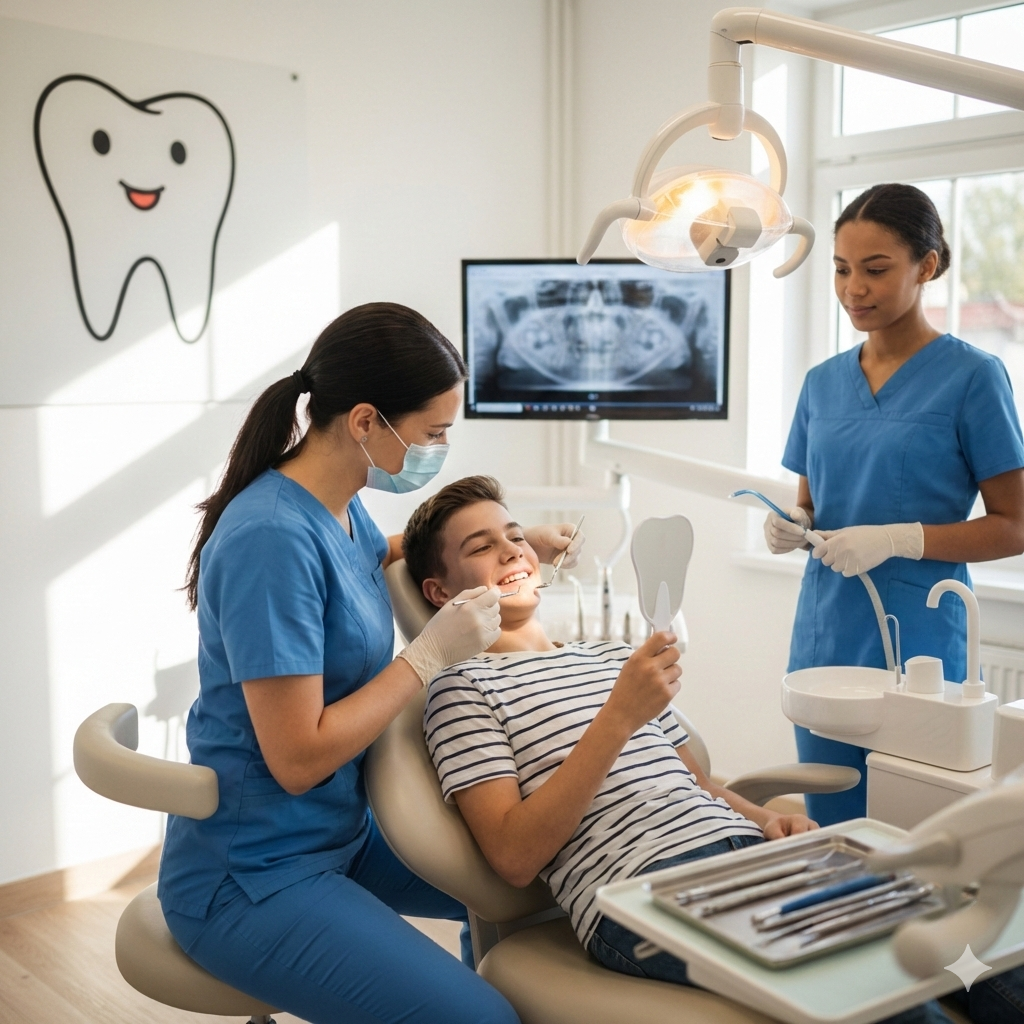
When a dental emergency strikes in St. Matthews, knowing where to turn can make all the difference. Emergency dental care in St. Matthews is designed to provide quick, effective relief for sudden pain, injuries, or urgent dental issues. This means patients don’t have to wait days in discomfort or risk worsening problems.
Local dental offices are equipped to handle a range of emergencies, from knocked-out teeth to severe toothaches. They focus on immediate comfort and saving teeth when possible, using modern techniques to make treatment as smooth and painless as they can.
Understanding when to seek emergency care and what to expect can reduce stress during a dental crisis. If you’re facing a sudden dental problem, reaching out to a trusted St. Matthews dental provider is the best first step.
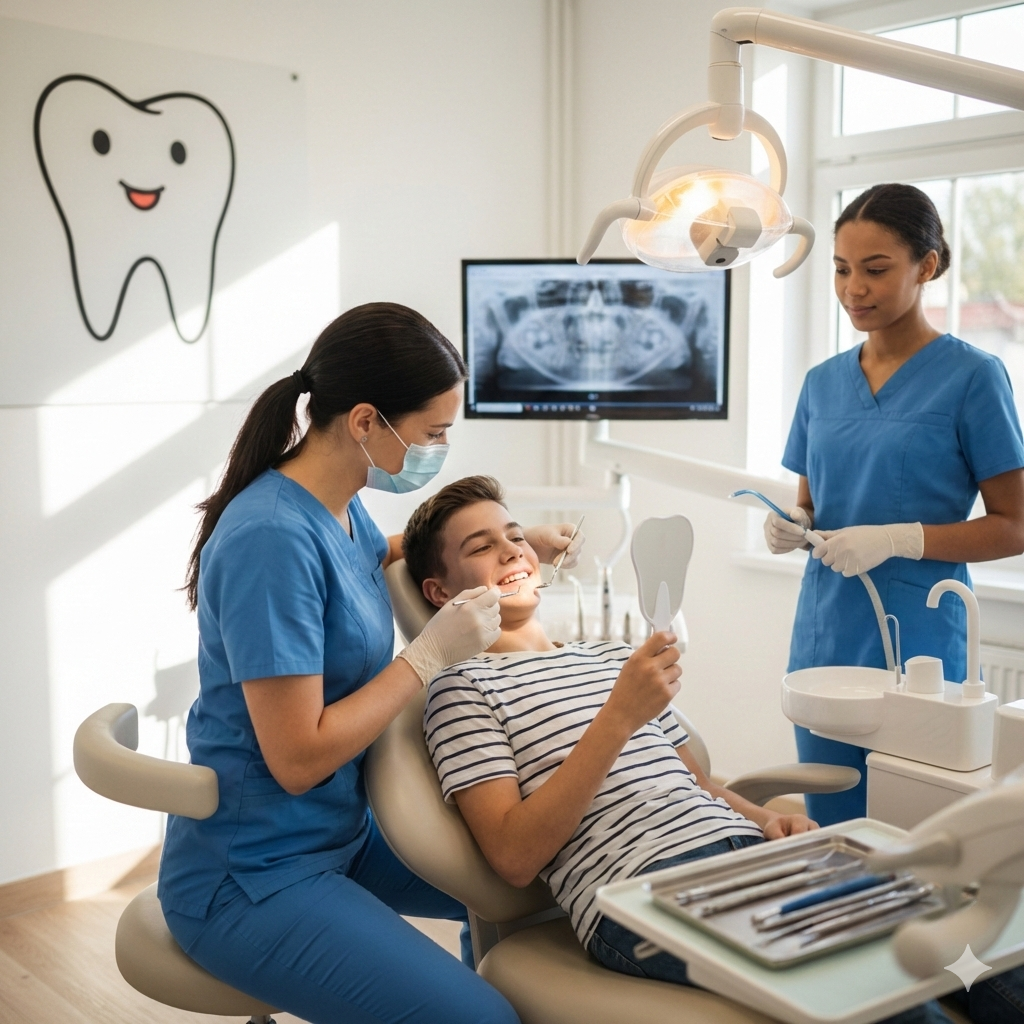
Emergency dental care involves urgent treatments that address unexpected problems causing pain, injury, or severe damage to teeth and gums. Knowing when and how to respond can protect your smile and prevent complications.
A dental emergency includes any situation where immediate care is necessary to relieve severe pain, stop bleeding, or prevent permanent damage. Examples include a knocked-out tooth, intense toothache, cracked or broken teeth, and infections causing swelling or fever.
Not all dental discomforts require emergency attention. For instance, mild sensitivity or minor chips usually can wait for a regular appointment. If there’s uncontrollable bleeding, swelling that affects breathing or swallowing, or trauma from accidents, prompt care is essential.
Recognizing these key emergencies helps avoid worsening problems. Treatment time can determine whether a tooth is saved or lost, making quick action important.
Immediate dental care is needed when pain is overwhelming, lasts more than 24 hours, or comes with other symptoms like swelling or fever. Injuries from accidents, such as sports or falls, should be treated right away, especially if teeth are loose or dislodged.
If bleeding won’t stop despite applying pressure for 15 minutes, visiting a dentist or emergency room is necessary. Signs of infection like pus, swelling that spreads, or difficulty opening the mouth also require urgent attention.
Patients should not delay care thinking symptoms will improve on their own. Quick response reduces risk of complications such as abscesses or permanent tooth loss.
A frequent myth is that emergency dental care only applies to trauma or injuries. In reality, severe infections and sudden worsening of chronic dental conditions can also be emergencies.
Another misconception is that antibiotics alone solve dental infections. While helpful, they often don’t replace the need for a dentist to remove the source of the problem, like an abscess or deep cavity.
Some believe all dental emergencies must be handled after-hours in a hospital. Many urgent cases are best treated quickly in a dental office equipped for emergency care, providing specialized and focused treatment.
Understanding facts versus myths helps patients make informed choices, reducing anxiety and encouraging timely care when it matters most.
Accessing timely and reliable dental care during an emergency can reduce pain and prevent further complications. Knowing how to pick the right clinic, local contact points, and understanding what happens during a visit helps patients feel more prepared and secure.
When selecting a dental clinic for emergencies, availability is key. Clinics offering 24/7 or extended hours provide better chances of prompt care, especially outside typical office times.
Look for experienced dentists who specialize in trauma, toothaches, or urgent oral surgeries. Checking online reviews or asking for local recommendations can guide the choice.
Consider clinics equipped with modern technology such as digital X-rays and pain management options. This ensures quicker diagnosis and comfort during treatment.
Don’t overlook the importance of friendly, compassionate staff who understand the stress of dental emergencies. A warm approach helps ease anxiety and supports better communication.
In St. Matthews, several dental clinics provide emergency services. Here are a few important contacts:
| Clinic Name | Phone Number | Hours | Notes |
|---|---|---|---|
| St. Matthews Dental | (502) 555-1234 | Mon-Sat, 8am-8pm | Walk-ins accepted |
| RiverCity Dental Care | (502) 555-5678 | 24/7 emergency hotline | Offers sedation |
| Greenfield Smiles | (502) 555-8765 | Mon-Fri, 9am-5pm | Specialist on call |
Local urgent care centers also offer dental help if the clinic is unavailable. Having numbers saved on your phone before an emergency saves precious time.
On arrival, the dental team will prioritize triage to assess pain and injury severity. Expect questions about symptoms, how the injury happened, and any relevant medical history.
Initial steps usually include a physical exam and possibly digital X-rays for a clear picture of the problem. This speeds up diagnosis and treatment planning.
Pain management is immediate, often with local anesthesia or prescribed medication to keep you comfortable. The dentist will explain treatment options clearly, focusing on restoring function and preventing complications.
Some treatments can be completed in one visit, while more complex cases might require follow-up appointments. Throughout, the team stays attentive to your questions and comfort.
Dental emergencies can vary widely, but all require prompt attention to avoid further damage or pain. Understanding the most common urgent issues helps patients know what to expect and how to act quickly.
Severe toothaches often signal an underlying problem like an infection, decay, or abscess. The pain can be constant, throbbing, or sharp, and might worsen when biting or with exposure to hot or cold.
Immediate care focuses on relieving pain and identifying the cause. Dentists may prescribe antibiotics if infection is present or perform treatments like root canals to address deep decay. Patients should avoid placing aspirin directly on the tooth or gums, as this can cause irritation.
Applying a cold compress outside the cheek can reduce swelling. Drinking soft, lukewarm fluids and avoiding sugary or acidic foods can also prevent aggravating the pain until professional help is available.
Chipped or broken teeth are common emergencies caused by accidents or biting hard objects. Small chips may cause sensitivity, but larger breaks can expose the tooth’s pulp, increasing infection risk.
Treatment depends on the damage. Minor chips might be smoothed or repaired with dental bonding. More severe breaks may require crowns or root canals. If sharp edges are causing discomfort, temporary dental wax can cover them.
Rinsing the mouth gently with warm water and applying a cold compress can control pain and swelling. Keeping any tooth fragments and bringing them to the dentist aids in repair options.
A knocked-out tooth demands immediate action to save it. The tooth should be carefully handled by the crown (top part), not the root, to avoid damaging cells needed for reattachment.
If possible, the tooth should be gently rinsed with water—never scrubbed—and placed back into its socket. If this isn’t feasible, storing it in milk or saline solution helps preserve it. Time is critical, so seeing a dentist within an hour greatly improves chances of saving the tooth.
After reimplantation, the dentist will stabilize the tooth and may recommend follow-up care to monitor healing and prevent infection.
Losing a filling or crown can be uncomfortable and exposes the tooth to decay or sensitivity. It often happens due to biting hard substances or natural wear.
Patients should try to keep the restoration and avoid chewing on that side. Using dental cement available at pharmacies can provide temporary coverage until professional replacement.
Prompt dental visits allow the dentist to assess the tooth’s condition and decide whether to re-cement the crown or replace the filling. Ignoring this emergency can lead to further damage or infection.
Taking care quickly improves comfort and reduces the risk of complications.
Knowing how to act quickly and wisely before arriving at the dental office can ease pain and protect teeth. Simple measures taken at home often improve the outcome of emergency treatment and prevent further damage.
When pain strikes, the first goal is to reduce discomfort safely. Over-the-counter pain relievers like ibuprofen or acetaminophen can help reduce swelling and dull the ache. Avoid aspirin near the affected area, as it can thin the blood and worsen bleeding.
Applying a cold compress to the outside of the cheek for 15-20 minutes can numb the area and reduce inflammation. It’s important not to apply ice directly to the skin to prevent frostbite.
Avoid very hot or cold foods that might trigger sensitivity. Eating soft foods and maintaining good oral hygiene without aggravating the painful area supports healing until professional care is available.
If a tooth is chipped, cracked, or injured, gently rinse the mouth with warm water to clean the area. Avoid touching or probing the damaged tooth or gums intensively, as this might worsen injury.
For bleeding, apply light pressure with sterile gauze or a clean cloth. Keep the head elevated to minimize blood flow to the mouth. If swelling occurs, cold compresses can help manage it.
Save any broken pieces of a tooth; if possible, keep them moist in milk or saliva to bring to the dentist. Prompt attention by a dental professional increases chances of saving or repairing the tooth.
Time is critical for a knocked-out tooth. Handle it carefully by the crown (the chewing surface), avoiding touching the root to prevent damage.
If the tooth is dirty, rinse it gently with water but do not scrub or use soap. Ideally, try to reinsert the tooth into its socket and hold it in place by biting down gently on a clean cloth.
If reinsertion isn’t possible, place the tooth in a container with milk or the injured person’s saliva to keep it moist. Immediate dental visit within 30 minutes to an hour greatly improves the possibility of saving the tooth.
Emergency dental care involves addressing pain, damage, and infection quickly to prevent complications. Immediate relief and effective procedures focus on stabilizing the condition while promoting healing. Treatment varies depending on the severity and type of dental issue.
Pain control is often the first priority in emergency dental visits. Over-the-counter painkillers like ibuprofen can reduce inflammation and discomfort until professional care is available. Dentists may also use local anesthetics during treatment to numb the affected area.
For severe pain from trauma or infection, prescription medications including stronger analgesics or antibiotics may be necessary. Ice packs and soft foods help ease sensitivity at home. Proper pain management ensures the patient stays comfortable while other interventions take place.
Restorative care focuses on repairing damaged teeth to restore function and appearance. Common treatments include dental bonding for chips or cracks and temporary crowns to protect fractured teeth. In cases of tooth loss, emergency dental clinics may provide partial dentures or discuss implants.
Root canal therapy is often used to save an infected or abscessed tooth when decay reaches the nerve. Prompt restorative work prevents further damage, reduces infection risk, and improves chewing ability.
Infections like abscesses require immediate attention to prevent spread. Dentists often drain abscesses to relieve pressure and pain, then prescribe antibiotics to fight bacteria. Cleaning the affected area and removing decayed tissue are critical steps.
Untreated infections can lead to serious health risks. Emergency dental care strives to halt infection progression and support recovery through targeted medical and surgical interventions. Follow-up care is key to ensure complete healing and prevent recurrence.
Proper care after emergency dental treatment is essential to ensure healing and avoid complications. Paying attention to treated areas, watching for unusual symptoms, and knowing when to book follow-up visits can make a big difference.
Patients should avoid chewing on the side of their mouth where treatment occurred for at least 24 hours. Soft foods like yogurt or mashed potatoes are recommended to reduce stress on the area.
Brushing gently with a soft-bristled toothbrush helps keep the mouth clean without irritating the gums or wounds. Rinsing with warm salt water several times a day can promote healing and reduce swelling. Avoid alcohol-based mouthwash and smoking, as these can delay recovery.
Pain or discomfort can typically be managed with over-the-counter pain relievers like ibuprofen. If a dental splint or temporary crown was placed, taking care not to dislodge it is crucial.
Some discomfort after emergency dental care is normal, but certain symptoms should prompt immediate attention. Persistent bleeding lasting more than 24 hours or severe pain that does not improve with medication is a red flag.
Watch for signs of infection such as swelling that worsens, fever, or pus near the treated tooth. Numbness or loss of sensation around the mouth that lasts beyond a few hours after treatment requires prompt dental evaluation.
Difficulty breathing or swallowing, although rare, is an emergency and needs urgent care. Keeping a list of symptoms and calling the dental office if anything unusual arises can prevent complications.
Follow-up appointments depend on the type and severity of the dental emergency. After a tooth extraction or root canal, a visit is usually scheduled within 1 to 2 weeks to check healing progress.
If a crown or filling was placed temporarily, returning within a month to complete the permanent restoration is important. For injuries involving loosened or fractured teeth, early follow-up supports proper alignment and recovery.
Patients should never skip routine checkups after emergency care. Regular visits allow the dentist to monitor the area and prevent further problems. Calling the dental office to confirm the next appointment or if symptoms worsen is advised.
Preventing dental emergencies involves consistent care and smart habits. Focusing on daily routines, protective measures during activities, and scheduling regular dental visits can reduce risks significantly.
Daily care is the first line of defense against emergencies like toothaches or infections. Brushing twice a day with fluoride toothpaste strengthens enamel and removes harmful bacteria. Flossing daily prevents gum disease and reduces the chance of abscesses, which often lead to urgent situations.
Using an antiseptic mouthwash can further cut down bacteria that cause decay. Avoiding sugary snacks and drinks helps maintain strong teeth and prevents cavities that may worsen quickly. Drinking plenty of water aids saliva flow, which naturally cleanses the mouth.
By sticking to these habits, the mouth stays healthier, making sudden tooth pain or injury less likely.
People in St. Matthews who stay active should consider extra precautions to protect their teeth. Wearing a custom-fitted mouthguard during sports like basketball or football can prevent fractures, knocked-out teeth, and soft tissue injuries. Over-the-counter guards are better than nothing, but custom ones offer a superior fit and comfort.
For those who grind their teeth at night, a nightguard can protect enamel from cracks and wear, which might otherwise lead to emergency repairs.
Avoiding chewing ice, hard candies, or non-food objects also reduces the risk of chipping or breaking teeth. These simple steps help keep teeth intact amid active daily routines.
Routine dental visits are crucial in preventing emergencies. Dentists in St. Matthews can spot small problems, like tiny cracks or early decay, before they become urgent.
Professional cleanings remove hardened plaque that brushing misses, reducing gum disease risks that sometimes require emergency treatment. Digital X-rays reveal hidden issues under the surface.
Consistent appointments allow dentists to tailor care plans, recommend protective appliances, or provide treatments that keep your teeth strong long-term.
Patients should schedule checkups every six months or as advised to catch problems early and avoid pain or costly emergency visits.
St. Matthews stands out in emergency dental care by blending patient comfort with advanced treatment methods in a community-driven environment. The team prioritizes easing pain quickly while using the latest dental technology. Their thoughtful approach ensures patients feel supported from arrival through recovery.
In St. Matthews, dental emergencies are treated with a high level of care and understanding. Staff members prioritize listening to each patient’s concerns, helping to reduce anxiety often linked with urgent visits. They offer gentle pain management options tailored to individual needs, including sedation when appropriate.
The environment is designed to be welcoming, with calming colors and friendly faces that help patients feel more at ease. From first contact to follow-up, the focus stays on making the experience as smooth and stress-free as possible.
Emergency dental care in St. Matthews uses up-to-date equipment like digital X-rays, which provide quicker and clearer images with less radiation. This helps dentists diagnose problems more accurately and start treatment faster.
They also apply modern techniques such as laser therapy for soft-tissue injuries and same-day crowns for broken teeth. These tools reduce recovery time and improve outcomes. This combination of technology and skill means patients get efficient, effective care when it matters most.
Dentists in St. Matthews view their work as part of a larger commitment to local wellness. They often coordinate with other healthcare providers to ensure patients receive comprehensive treatment that goes beyond urgent dental needs.
This close community connection also means care is personalized. Patients benefit from dental teams that know the area and understand common dental health challenges within the community. It creates a sense of trust and ongoing support that extends past emergency visits.
When dental pain strikes unexpectedly, it can feel overwhelming. The key is to act quickly and calmly. Seeking professional care in St. Matthews as soon as possible can prevent minor issues from becoming serious problems.
If someone experiences severe tooth pain, swelling, or a knocked-out tooth, they should contact an emergency dentist without delay. Many local clinics offer same-day appointments to provide fast relief and expert treatment.
Here’s what to do immediately after a dental emergency:
Dental professionals in St. Matthews focus on patient comfort and use modern techniques to manage pain and repair damage efficiently. They listen carefully and tailor treatment plans to individual needs, easing any anxiety about emergency visits.
Taking that first step by calling a trusted emergency dental provider can start the healing process. It also opens the door to advice on pain control and care while waiting for treatment. Encouraging patients to reach out early supports quicker recovery and better outcomes.
Emergency dental situations can be stressful, but knowing what to do right away can make a big difference. Pain management, identifying true emergencies, and understanding available care times are key to handling urgent dental needs effectively.
He should first find the tooth, handle it by the crown (not the root), and rinse it gently with water if dirty. Next, place the tooth back in the socket if possible or store it in milk or saliva, and get to a dentist within 30 minutes.
Severe pain, uncontrolled bleeding, swelling that affects breathing or swallowing, and a knocked-out or broken tooth are signs of an emergency. Mild discomfort or slight sensitivity usually does not require urgent care.
Over-the-counter painkillers like ibuprofen can help reduce pain and inflammation. Applying a cold compress to the outside of the mouth also helps with swelling and numbs the area temporarily.
Yes, several clinics in St. Matthews offer emergency dental services during weekends and after hours. It’s best to call ahead or check online to confirm availability and wait times.
The dentist will quickly assess the problem, provide pain relief, and perform necessary treatments like stabilizing a tooth or addressing an infection. They will explain the next steps and any follow-up care needed.
Wearing mouthguards during sports, avoiding hard or sticky foods, and maintaining regular dental check-ups reduce the risk of emergency issues. Good oral hygiene protects teeth and gums from sudden problems.